
Vietnam Baby Sleep Guide: Jet Lag, Heat & Perfect Sleep Setup
Updated: May 8
The complete, science-backed resource for international families navigating sleep challenges with babies, toddlers, and young children across Vietnam. Every question answered. Every concern addressed. Everything you need to help your little one sleep well - from arrival to departure.
🎯 QUICK ANSWER: Your Vietnam Sleep Survival Checklist

✅ Beat jet lag: Use natural light strategically; adjust baby's schedule 1-2 hours per day BEFORE travel
✅ Manage heat: Sleep in air-conditioned rooms 24-26°C; use breathable mesh travel cots; avoid midday naps outdoors
✅ Create sleep sanctuary: Portable blackout blinds + white noise machine + familiar sleep cues = consistent sleep anywhere
✅ Destination tips: HCMC/Hanoi = urban heat islands need extra cooling; Phu Quoc/Da Nang = beach humidity requires ventilation
✅ Gear that helps: Nuna SENA Aire travel cot (full-mesh for airflow), portable fan, white noise machine, baby monitor
✅ Sample schedule: Arrival week = flexible; mid-trip = routine; return = gradual re-adjustment
🔬 THE SCIENCE: Jet Lag + Tropical Climate Impact on Baby Sleep
How Jet Lag Affects Babies & Toddlers
The Reality: Babies don't experience jet lag exactly like adults, but their circadian rhythms ARE disrupted by time zone changes.
What's happening biologically:
- Melatonin production (sleep hormone) is tied to light/dark cycles – crossing time zones confuses this system
- Core body temperature regulation shifts – critical for sleep onset
- Feeding patterns disrupt – hunger cues misalign with local mealtimes
- Cortisol rhythms (stress hormone) shift – can cause overtiredness, fussiness
Age-specific impacts:
Age | Jet Lag Response | Recovery Timeline |
0-3 months | Minimal disruption (sleep driven by hunger, not circadian rhythm) | 1-2 days |
3-6 months | Emerging circadian rhythm; may wake at "wrong" times | 3-5 days |
6-12 months | Established nap/bedtime routines; disruption causes overtiredness | 5-7 days |
12-36 months | Strong routines; jet lag = behavioral challenges, night wakings | 7-10 days |
3-6 years | Can understand "new time"; may resist sleep at local bedtime | 5-7 days |
🔬 Parent Tip: Adjust baby's schedule 1-2 hours per day BEFORE travel. If flying East (US → Vietnam), put baby to bed 30 mins earlier each night for 3-4 days pre-departure.
Tropical Climate: How Heat & Humidity Disrupt Sleep
The Challenge: Vietnam's tropical climate (25-35°C, 70-90% humidity) directly impacts sleep quality for babies.
Why heat disrupts baby sleep:
✅ Core temperature regulation: Babies can't sweat efficiently; overheating prevents deep sleep
✅ Humidity + sweat: Damp skin = discomfort, frequent waking, rash risk
✅ Mosquito activity: Peak biting times (dusk/dawn) disrupt sleep cycles
✅ Noise pollution: Urban areas (HCMC, Hanoi) have constant traffic, even at night
The Science: Research shows optimal sleep temperature for infants is 20-22°C (68-72°F). Vietnam's ambient temps often exceed this by 10-15°C.
"We didn't realize how much the heat affected our 8-month-old's sleep until night 3 in HCMC. He'd fall asleep, then wake screaming 45 mins later – classic overheating signs. Once we got the AC to 24°C and used the mesh travel cot, he slept through the night."
- Kirsty W., UK family with 8-month-old
🛵 Rent a baby cot or crib in Ho Chi Minh City for stress-free family sleep in Saigon’s tropical heat
🍜 Rent a baby cot or crib in Hanoi for comfortable baby sleep near the Old Quarter & Tay Ho
🏮 Rent a cot or crib in Hoi An for peaceful family nights near the Ancient Town & An Bang Beach
🌊 Rent a baby cot or crib in Da Nang for cool, comfortable baby sleep near My Khe Beach
🏖️ Rent a baby cot or travel crib in Nha Trang for beachside family stays with better baby sleep
🌴 Rent a baby cot or crib in Phu Quoc for cooler island nights and better baby sleep by Long Beach
🌏 DESTINATION-SPECIFIC SLEEP ADVICE: Urban Heat vs. Beach Humidity
Ho Chi Minh City & Hanoi: Urban Heat Islands
The Challenge: Concrete, traffic, and density create "urban heat islands" - temps 3-5°C higher than surrounding areas, even at night.

Sleep Strategy for Urban Vietnam:
✅ AC is non-negotiable: Book accommodation with reliable air conditioning; test on arrival
✅ White noise essential: Traffic, motorbikes, street vendors = constant noise; white noise machine masks disruptions
✅ Blackout curtains critical: Urban light pollution (streetlights, neon signs) disrupts melatonin
✅ Timing matters: Plan outdoor activities 6:30-9:30am; retreat indoors 10am-4pm; evening outings after 6pm
Room Setup Hacks:
- Position travel cot away from windows (heat + light)
- Use portable fan for air circulation (even with AC)
- Place damp towel near fan for evaporative cooling boost
- Keep baby hydrated before bedtime (breastfeed/formula)
🔬 Local Insight: District 1 (HCMC) and Old Quarter (Hanoi) are hottest at night due to density. Consider District 2 (HCMC) or Tay Ho (Hanoi) for quieter, slightly cooler stays.
Da Nang, Hoi An, Nha Trang: Coastal Humidity
The Challenge: Beach destinations have high humidity (80-90%) even when temps are moderate. Humidity prevents sweat evaporation = discomfort.
Sleep Strategy for Coastal Vietnam:
✅ Ventilation over AC: If temps are <28°C, use fans + open windows for airflow; reduces "stuffy" feeling
✅ Mesh travel cots essential: Nuna SENA Aire's full-mesh construction allows maximum airflow; prevents sweat buildup
✅ Dehumidifier hack: Small portable dehumidifier in room reduces humidity 10-15%; improves sleep quality
✅ Beach timing: Morning beach visits (6:30-9am) before humidity peaks; avoid midday sun
Room Setup Hacks:
- Place travel cot near window (with screen) for cross-breeze
- Use breathable cotton sleep sacks instead of heavy blankets
- Keep a change of clothes nearby for sweaty night wakings
- Use baby-safe insect repellent on ankles/wrists (mosquitoes peak at dusk)
🔬 Local Insight: An Bang Beach (Hoi An) and My Khe Beach (Da Nang) have sea breezes that cool evenings naturally. Choose beachfront accommodation for natural ventilation.
Phu Quoc, Mui Ne: Island/Desert Microclimates
The Challenge: Island destinations (Phu Quoc) have consistent temps but high humidity; desert areas (Mui Ne) have extreme daytime heat but cooler nights.
Sleep Strategy for Island/Desert Vietnam:
✅ Phu Quoc: Focus on ventilation + mesh cots; humidity is the enemy, not heat
✅ Mui Ne: Daytime heat extreme; plan naps indoors 10am-4pm; evenings are pleasant for outdoor sleep
✅ Resort advantage: Many resorts have private pools; cool baby in water before bedtime to lower core temp
✅ Mosquito management: Islands have more mosquitoes; use nets, repellent, and avoid dusk outdoor time
Room Setup Hacks:
- For Phu Quoc: Use dehumidifier + mesh cot + fan combo
- For Mui Ne: Blackout curtains essential (bright desert mornings); AC for midday naps
- Keep baby hydrated; offer extra feeds before bedtime in hot climates
🔬 Local Insight: Phu Quoc's Long Beach has consistent sea breezes; choose west-facing rooms for natural cooling. Mui Ne's red sand dunes reflect heat; avoid ground-floor rooms if possible.
🛏️ SLEEP SANCTUARY: Blackout, White Noise & Climate Control Hacks
Blackout Solutions That Actually Work
The Problem: Vietnam's bright mornings (sunrise 5:30-6am year-round) + urban light pollution disrupt baby sleep.
Solutions by Accommodation Type:
Accommodation | Blackout Solution | Cost | Effectiveness |
Hotel/Resort | Request room with blackout curtains; bring portable clips to seal gaps | Free-$10 | ⭐⭐⭐⭐ |
Airbnb/Villa | Portable blackout blinds (suction cup); aluminum foil + tape (temporary) | $15-30 | ⭐⭐⭐⭐⭐ |
Homestay | Heavy blanket over window + clothespins; eye mask for baby (6m+) | $5-10 | ⭐⭐⭐ |
Pro Product: KidEase Rentals' Sleep Bundle includes portable blackout blinds that fit most Vietnamese windows. Delivered pre-installed if requested.
White Noise: Masking Vietnam's Soundscapes
The Problem: Motorbikes, street vendors, temple bells, karaoke – Vietnam is LOUD, even at night.
White Noise Strategy:
✅ Machine vs. App: Dedicated white noise machine (battery-powered) > phone app (reliable, no notifications)
✅ Sound type: Pink noise (deeper than white noise) masks low-frequency traffic rumble better
✅ Volume: 50-60 dB (like a shower) – loud enough to mask disruptions, not so loud it harms hearing
✅ Placement: 1-2 meters from baby's head; not directly in ear
Local Sound Profiles to Mask:
- HCMC/Hanoi: Constant motorbike hum, occasional honking, street vendor calls
- Da Nang/Hoi An: Occasional motorbikes, temple bells (5am), market setup (6am)
- Phu Quoc/Nha Trang: Ocean waves (soothing), occasional resort music, distant traffic
🔬 Parent Tip: Start white noise 10 mins before bedtime to create sleep association. Continue through night wakings.
Product Recommendation: KidEase Rentals offers portable white noise machines with 10-hour battery life, delivered with your travel cot.
Temperature Control: Fans, AC & Humidity Hacks
The Golden Rule: Aim for 24-26°C (75-79°F) with 50-60% humidity for optimal baby sleep.
Cooling Strategies by Climate:
Climate | Primary Strategy | Backup Plan | Emergency Fix |
Urban Heat (HCMC/Hanoi) | AC 24°C + fan for circulation | Portable evaporative cooler | Damp towel on baby's neck |
Coastal Humidity (Da Nang/Hoi An) | Mesh cot + cross-ventilation fans | Small dehumidifier | Change baby into dry clothes mid-sleep |
Island (Phu Quoc) | Dehumidifier + mesh cot + fan | AC if humidity >80% | Cool bath before bedtime |
Desert (Mui Ne) | Blackout + AC for midday naps | Fan + light clothing for evenings | Hydrate baby extra before sleep |
🔬 Science Note: Evaporative cooling (damp cloth on skin) can lower perceived temp by 3-5°C - useful when AC isn't available.
Gear That Helps:
✅ Nuna SENA Aire travel cot: Full-mesh construction maximizes airflow; prevents sweat buildup
✅ Portable USB fan: Battery-powered; clips to cot/stroller; adjustable speed
✅ Baby sleep sack (lightweight cotton): Prevents overheating vs. blankets; allows movement
✅ Digital room thermometer/hygrometer: Monitor temp + humidity; adjust accordingly
Struggling with baby sleep in Vietnam's heat? Our Sleep Bundle (travel cot + white noise + fan + blackout blinds) is delivered to your accommodation before you arrive. Everything set up, ready for baby's first nap.
🏨 HOTEL & AIRBNB ROOM SETUP: Using Rented Gear for Perfect Sleep
The 10-Minute Sleep Sanctuary Setup

Step 1: Assess the Room (2 mins)
✅ Check AC functionality; test remote
✅ Identify window orientation (east = bright mornings)
✅ Locate power outlets for fan/white noise machine
✅ Note noise sources (street, elevator, neighboring rooms)
Step 2: Position the Travel Cot (3 mins)
✅ Away from windows (heat + light)
✅ Away from AC vent (direct airflow = discomfort)
✅ Near power outlet for white noise machine/fan
✅ In quiet corner of room (away from door)
Step 3: Install Blackout Solution (2 mins)
✅ Portable blinds: suction cups to window frame
✅ Seal gaps with painter's tape (removes cleanly)
✅ Test light leakage with phone flashlight
Step 4: Set Up White Noise + Fan (2 mins)
✅ White noise machine: 1-2m from baby's head
✅ Portable fan: indirect airflow across room (not directly on baby)
✅ Test volume: should mask ambient noise but allow parent hearing
Step 5: Final Comfort Checks (1 min)
✅ Room temp: 24-26°C
✅ Humidity: <70% (use dehumidifier if needed)
✅ Baby dressed in lightweight cotton sleep sack
✅ Familiar sleep cues: lovey, pacifier, bedtime routine
"The 10-minute setup became our ritual. By day 3 in Vietnam, we could transform any hotel room into a sleep sanctuary. Our 10-month-old slept better in Da Nang than at home - thanks to the mesh cot, white noise, and blackout blinds."
- Shirley W., Canada family
Airbnb-Specific Hacks
Challenge: Airbnbs vary wildly in amenities; may lack blackout curtains, reliable AC, or quiet location.
Solutions:
✅ Pre-arrival message: Ask host about: blackout curtains, AC reliability, quiet room location
✅ Bring portable solutions: Blackout blinds, white noise machine, portable fan
✅ Test on arrival: Run AC 30 mins before baby's first nap; check for noise disruptions
✅ Have backup plan: Identify nearby hotel with day room if Airbnb sleep fails
Booking an Airbnb in Vietnam? Our equipment delivery works seamlessly with villa and apartment stays. Travel cot, high chair, stroller – all delivered, set up, and ready.
“Switching to a mesh travel cot and using airflow strategies transformed our baby’s sleep in Phu Quoc.”
- Troy R., Sydney, Australia
📅 SAMPLE SCHEDULES: By Trip Phase
Arrival Week (Days 1-3): Flexible Recovery
Goal: Help baby adjust to new time zone + environment; prioritize rest over itinerary.
Sample Schedule (6-month-old, 7-hour time difference):
6:00 AM - Wake, feed, gentle play (local time; baby's "3 AM")
7:30 AM - Morning walk outside (natural light helps reset circadian rhythm)
9:00 AM - Nap #1 (in travel cot with white noise + blackout)
11:00 AM - Feed, quiet play indoors
12:30 PM - Lunch, low-key activity
2:00 PM - Nap #2 (critical for overtired baby recovery)
4:00 PM - Feed, gentle outdoor time (avoid peak heat)
6:00 PM - Early bedtime routine (bath, book, feed)
7:00 PM - Bedtime (baby's "12 PM" – adjust gradually)
Key Principles:
✅ Follow baby's hunger/sleep cues; don't force local schedule yet
✅ Prioritize naps in cool, dark, quiet environment
✅ Use natural light strategically: morning light advances clock; evening light delays it
✅ Keep bedtime routine consistent (familiar cues = faster adjustment)
"We tried to stick to our home schedule in HCMC and it was a disaster. Once we embraced 'arrival week flexibility' - naps when baby needed them, early bedtimes, no big plans - everyone slept better by day 4."
- Paul B., Australia family with 9-month-old
Mid-Trip (Days 4-10): Routine + Exploration
Goal: Establish sustainable routine that allows for daily activities while protecting sleep.
Sample Schedule (18-month-old, adjusted to local time):
6:30 AM - Wake, feed, morning play
7:30 AM - Beach/park time (cool morning hours)
9:30 AM - Nap #1 (in travel cot at accommodation or quiet cafe)
11:30 AM - Lunch, low-key activity
1:30 PM - Nap #2 (critical for toddler mood; protect this nap)
3:30 PM - Snack, gentle exploration (indoor if hot)
5:30 PM - Early dinner, wind-down routine
7:00 PM - Bedtime (consistent routine = faster sleep onset)
Key Principles:
✅ Protect the afternoon nap - overtired toddlers = behavioral challenges
✅ Schedule activities around sleep: mornings for exploration, afternoons for rest
✅ Use "nap on the go" strategically: stroller naps during cool morning walks
✅ Keep bedtime routine sacred – even in new environments, familiar cues work
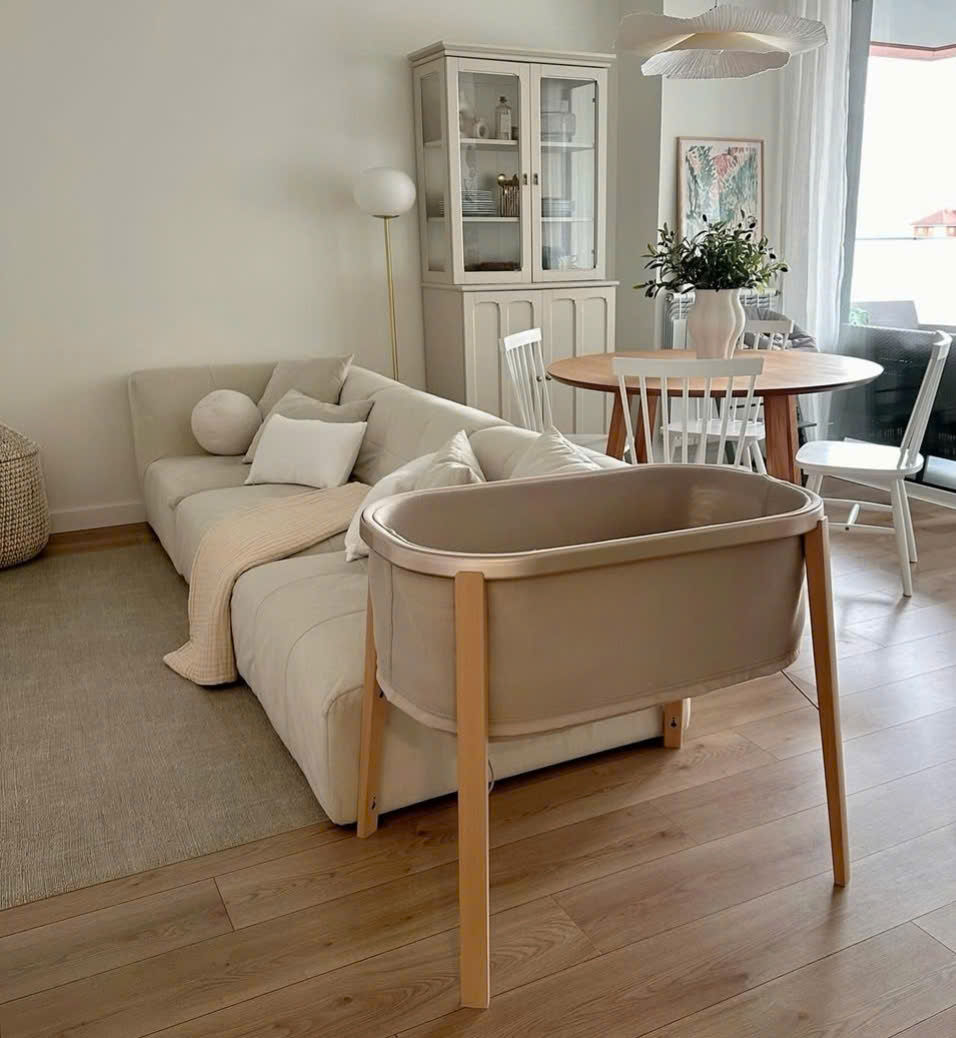
Protecting nap time in Vietnam is easier with the right gear. Our lightweight Stokke YOYO3 stroller folds in one second for cafe naps, while the Nuna SENA Aire travel cot ensures perfect sleep at your accommodation.
Return Week (Final Days): Gradual Re-Adjustment
Goal: Begin shifting baby back toward home time zone while enjoying final Vietnam days.
Sample Strategy (flying West: Vietnam → US/Europe):
✅ Days 1-2 of return week: Keep local schedule; enjoy final activities
✅ Days 3-4: Shift bedtime 30 mins later each night (toward home time)
✅ Day of travel: Keep baby on Vietnam time until flight; use flight time to adjust
✅ First days home: Expect 3-5 days of re-adjustment; prioritize sleep over plans
Key Principles:
✅ Don't rush the re-adjustment; baby's rhythm needs time to shift
✅ Use natural light strategically: evening light in Vietnam delays clock (helpful for Westward travel)
✅ Keep sleep environment consistent: same travel cot, white noise, routine cues
✅ Be flexible with activities; overtired baby = unhappy final days
"We started shifting our toddler's bedtime 30 mins later each night during our final days in Da Nang. By the time we flew home, he was only 2 hours off. The first week back was still challenging, but so much better than our first trip when we didn't plan the transition."
- Susanne K., US family with 2-year-old
🛏️ SAFE CO-SLEEPING & CRIB SAFETY IN HUMID CONDITIONS
Co-Sleeping Considerations in Vietnam
The Reality: Many Vietnamese families co-sleep; some international parents choose to co-sleep while traveling for convenience.
Safety Guidelines for Co-Sleeping in Tropical Climate:
✅ Firm sleep surface: Avoid soft mattresses, pillows, heavy blankets (overheating risk)
✅ Baby position: Place baby on back, away from pillows/blankets; use separate sleep surface if possible
✅ Temperature management: Dress baby in lightweight cotton; avoid heavy swaddles in heat
✅ Mosquito protection: Use mosquito net over bed (not loose blankets); baby-safe repellent on exposed skin
✅ Hydration: Offer extra feeds before co-sleeping session; monitor for dehydration signs
When to Avoid Co-Sleeping:
❌ If parent has consumed alcohol/sedatives
❌ If sleep surface is soft, sagging, or has gaps
❌ If room temperature exceeds 26°C (79°F) without adequate ventilation
❌ If baby shows signs of overheating (sweating, flushed skin, rapid breathing)
🔬 Expert Note: The American Academy of Pediatrics recommends room-sharing (baby in separate sleep space in parent's room) over bed-sharing for infants under 12 months.
“We felt safe co-sleeping by following proper guidelines and using a backup travel cot.”
- Neil T., Toronto, Canada
Travel Cot Safety in Humid Conditions
The Challenge: Humidity + enclosed sleep spaces = sweat buildup, discomfort, rash risk.
Safety Checklist for Travel Cots in Vietnam:
✅ Mesh construction: Nuna SENA Aire's full-mesh sides maximize airflow; prevents sweat buildup
✅ Firm mattress: Ensure mattress is firm, flat, fits snugly (no gaps)
✅ Breathable bedding: Lightweight cotton sheet only; avoid heavy blankets, bumpers
✅ Temperature monitoring: Use room thermometer; keep 24-26°C (75-79°F)
✅ Hydration: Offer extra feeds before bedtime; monitor for dehydration signs
✅ Mosquito protection: Use cot with built-in net or add portable mosquito net
Signs of Overheating (Check During Night Wakings):
- Sweaty neck/back
- Flushed cheeks
- Rapid breathing
- Restlessness, frequent waking
- Heat rash (small red bumps on skin)
If Baby Shows Overheating Signs:
1. Remove extra clothing/blankets
2. Move to cooler part of room
3. Offer small feed of breastmilk/formula (hydration)
4. Use damp cloth on neck/forehead for evaporative cooling
5. Adjust room temperature/fan settings
Worried about baby sleep safety in Vietnam's heat? Our Nuna SENA Aire travel cot features full-mesh construction for maximum airflow, plus we deliver it pre-assembled with breathable cotton sheets. Sleep easy, literally.

🎭 REALITY VS. EXPECTATION: Crush Bounce Rates with Honesty
Expectation: "Baby will sleep through the night in our beautiful Vietnam resort"
Reality: First 3-5 nights may involve frequent wakings due to:
- Jet lag disruption to circadian rhythm
- New environment (smells, sounds, light)
- Heat/humidity discomfort
- Mosquito activity at dusk/dawn
- Parent anxiety affecting baby's sense of security
Solution:
✅ Set realistic expectations: "Sleep may be disrupted for first week"
✅ Prepare sleep sanctuary in advance (blackout, white noise, cooling)
✅ Protect daytime naps to prevent overtiredness
✅ Use familiar sleep cues (lovey, routine, pacifier) for comfort
✅ Be flexible with itinerary; prioritize rest over activities
"We expected our 7-month-old to sleep perfectly in our Phu Quoc villa. Reality: first 4 nights were rough - jet lag + heat + new environment. Once we accepted the adjustment period and focused on creating a perfect sleep setup, nights 5-10 were magical. He slept better in Vietnam than at home!"
- Prakash T., UK family
Expectation: "We can maintain our home sleep schedule exactly"
Reality: Time zone changes + tropical climate require flexibility:
- Baby may wake at "2 AM local time" (their 7 PM home time)
- Nap times may shift with activity schedule
- Heat may require earlier/later sleep windows
- Travel days disrupt routine temporarily
Solution:
✅ Adjust schedule gradually: 1-2 hours per day toward local time
✅ Prioritize total sleep over exact timing
✅ Use natural light strategically to reset circadian rhythm
✅ Keep bedtime routine consistent even if timing shifts
✅ Be flexible with activities; protect sleep when possible
Expectation: "Hotel/Airbnb will have everything we need for baby sleep"
Reality: Vietnamese accommodations vary widely:
- Many lack blackout curtains (bright mornings disrupt sleep)
- AC may be unreliable or noisy
- White noise machines rarely provided
- Travel cots often basic, poorly ventilated
Solution:
✅ Research accommodation reviews for sleep-related mentions
✅ Bring portable solutions: blackout blinds, white noise machine, fan
✅ Rent premium travel cot with mesh construction for airflow
✅ Test room setup on arrival; adjust before baby's first nap
✅ Have backup plan: nearby hotel with day room if needed
Don't leave baby sleep to chance. Our equipment is delivered, set up, and ready before you arrive – travel cot with mesh sides, white noise machine, portable fan, blackout blinds. Everything for perfect sleep in any Vietnamese accommodation.
⏰ TIME-OF-DAY STRATEGY: Vietnam Is Not Just What – It's WHEN
The Underrated Gold: Timing Your Day Around Baby Sleep + Climate
Vietnam's Daily Rhythm:
- 5:30-6:00 AM: Sunrise year-round; cool, quiet, perfect for outdoor time
- 6:00-9:30 AM: Golden window – cool temps, low humidity, minimal crowds
- 9:30 AM-4:00 PM: Peak heat/humidity; indoor time recommended
- 4:00-6:30 PM: Second golden window – cooling down, pleasant for exploration
- 6:30 PM+: Evening activities; mosquito activity increases at dusk
Strategic Scheduling by Baby Age:

0-6 Months (Sleep-Driven Schedule)
5:30 AM - Wake, feed, gentle outdoor time (cool morning)
7:30 AM - Nap #1 (in cool, dark room)
9:30 AM - Feed, indoor play
11:00 AM - Nap #2 (protect this nap; critical for overtired prevention)
1:00 PM - Feed, quiet indoor activity
2:30 PM - Nap #3 (short catnap if needed)
4:00 PM - Feed, gentle outdoor time (second golden window)
6:00 PM - Early bedtime routine
7:00 PM - Bedtime (adjust gradually toward local time)
Key: Protect all naps; schedule outdoor time during cool windows; prioritize sleep over itinerary.
6-18 Months (Nap-Transitioning Schedule)
6:00 AM - Wake, feed, morning exploration
8:00 AM - Nap #1 (essential; protect this nap)
10:00 AM - Feed, low-key indoor activity
12:00 PM - Lunch, quiet time
1:30 PM - Nap #2 (critical for toddler mood; non-negotiable)
3:30 PM - Snack, gentle outdoor time (if cool)
5:30 PM - Early dinner, wind-down routine
7:00 PM - Bedtime (consistent routine = faster sleep onset)
Key: Protect the afternoon nap; schedule activities around sleep windows; use stroller naps strategically.
18-36 Months (Active Toddler Schedule)
6:30 AM - Wake, feed, morning adventure (beach, park, cultural site)
9:00 AM - Nap (in travel cot; critical for afternoon mood)
11:00 AM - Feed, indoor activity (avoid peak heat)
1:00 PM - Lunch, quiet time
2:30 PM - Optional short nap or quiet rest time
4:00 PM - Afternoon exploration (second golden window)
6:00 PM - Early dinner, wind-down routine
7:30 PM - Bedtime (consistent cues = faster sleep)
Key: Morning activities for energy; protect at least one nap; use quiet time if nap skipped.
"We learned to 'read' Vietnam's daily rhythm. Mornings for adventure, afternoons for rest, evenings for gentle exploration. Our toddler thrived on this rhythm - and so did we."
- Malcolm F., Canada family with 2-year-old
🌳 DECISION TREES: Quick Guidance for Common Sleep Scenarios
Decision Tree: Baby Won't Nap in New Environment
Baby won't nap in new hotel/Airbnb?
│
├─→ Is room too bright?
│ ├─→ Yes: Install portable blackout blinds; seal gaps with tape
│ └─→ No: Continue
│
├─→ Is room too noisy?
│ ├─→ Yes: Start white noise machine (50-60 dB); move cot away from noise source
│ └─→ No: Continue
│
├─→ Is room too hot/humid?
│ ├─→ Yes: Lower AC to 24°C; add portable fan; use mesh travel cot
│ └─→ No: Continue
│
├─→ Is baby overtired?
│ ├─→ Yes: Shorten wake windows; offer feed; try again in 30 mins
│ └─→ No: Continue
│
└─→ Is baby uncomfortable?
├─→ Yes: Check diaper; adjust clothing; offer comfort item
└─→ No: Try "nap on the go" – stroller walk in cool morning air
Struggling with nap time in Vietnam? Our Sleep Bundle (travel cot + white noise + fan + blackout blinds) creates the perfect sleep environment anywhere. Delivered before you arrive.
Decision Tree: Baby Waking Frequently at Night
Baby waking every 1-2 hours at night in Vietnam?
│
├─→ Is baby overheated? (sweaty, flushed, rapid breathing)
│ ├─→ Yes: Remove extra clothing; lower room temp; offer cool feed
│ └─→ No: Continue
│
├─→ Is baby hungry? (growth spurt, time zone adjustment)
│ ├─→ Yes: Offer feed; keep lights low, interaction minimal
│ └─→ No: Continue
│
├─→ Is baby uncomfortable? (wet diaper, mosquito bite, rash)
│ ├─→ Yes: Change diaper; apply baby-safe anti-itch cream; check for rash
│ └─→ No: Continue
│
├─→ Is environment disruptive? (noise, light, temperature fluctuations)
│ ├─→ Yes: Start white noise; seal light gaps; stabilize room temp
│ └─→ No: Continue
│
└─→ Is baby overtired from day?
├─→ Yes: Protect naps tomorrow; earlier bedtime tonight
└─→ No: Consider medical check if persistent (fever, illness signs)
"Our 10-month-old woke every hour in HCMC. We worked through the decision tree: overheated (yes!), adjusted AC + clothing, and by night 3 he was sleeping 4-hour stretches. Sometimes the solution is simple." - Patrizia & Thibault P., France family
⚠️ WORST CASE SCENARIO PLANNING: Where Trust Explodes
Scenario 1: Baby Gets Sick + Sleep Disrupted
The Fear: "What if my baby gets sick in Vietnam and can't sleep?"
Preparation:
✅ Medical prep: Know location of English-speaking pediatrician; save KidEase WhatsApp for logistics support
✅ Sleep sanctuary: Maintain blackout + white noise + cooling even when sick
✅ Comfort items: Bring familiar lovey, pacifier, sleep sack for consistency
✅ Hydration focus: Offer frequent small feeds; monitor for dehydration signs
Action Plan if Baby Gets Sick:
1. Assess severity: Mild fever (<38.5°C) vs. high fever/lethargy
2. Contact medical professional: Use saved pediatrician contacts; telemedicine option
3. Maintain sleep environment: Even when sick, consistent sleep cues help recovery
4. Adjust expectations: Illness disrupts sleep; prioritize rest over itinerary
5. Use support network: KidEase WhatsApp for equipment adjustments, logistics help
"Our toddler got a fever in Da Nang. We used the decision tree: contacted our saved pediatrician, maintained the sleep sanctuary with white noise + cooling, and focused on rest. He recovered in 48 hours. Having a plan made all the difference."
- Dylan G., Australia family
Scenario 2: Accommodation Sleep Setup Fails
The Fear:“What if our hotel or Airbnb is too hot, noisy, or bright for my baby to sleep?”
Prevention
✅ Research reviews: Look for sleep-related mentions in accommodation reviews
✅ Pre-arrival message: Ask about blackout curtains, AC reliability, and quiet room location
✅ Bring portable solutions: Blackout blinds, white noise machine, portable fan
✅ Rent premium gear: Mesh travel cot, fan, and white noise machine via KidEase
Action Plan if Setup Fails
Test on arrival: Run AC for 30 minutes; check noise and light before first nap
Implement portable solutions: Install blackout blinds, start white noise, position fan
Contact accommodation: Request a room change if needed (many hotels will help)
Have a backup plan: Identify a nearby hotel with day room availability
Adjust itinerary: Prioritize sleep over activities and reschedule where needed
💡 Sleep Rescue Tip:“Don’t gamble with baby sleep. Our equipment is delivered, set up, and tested before you arrive - travel cot with mesh sides, white noise machine, portable fan, and blackout blinds for perfect sleep anywhere in Vietnam.”
“White noise completely solved our noise issues in Ho Chi Minh City.”
- Sandrine L., Paris, France
🔥 Scenario 3: Jet Lag + Heat = Overtired Baby Meltdown
The Fear:“What if jet lag and heat combine and my baby becomes completely overtired and inconsolable?”
Prevention
✅ Pre-travel adjustment: Shift schedule 1–2 hours per day toward Vietnam time
✅ Arrival week flexibility: Prioritize rest and protect naps at all costs
✅ Climate management: Keep baby cool, hydrated, and out of peak heat
✅ Familiar cues: Maintain bedtime routine even in a new environment
“We flew from London to Da Nang with our 6-month-old. By day 5, he was sleeping 10-hour stretches - better than at home!”
- Courtney M., London, UK
Action Plan if Meltdown Occurs
Immediate comfort: Hold baby skin-to-skin in a cool, quiet space and offer a feed
Reset environment: Lower lights, turn on white noise, cool the room
Shorten wake windows: Reduce awake time by 30–60 minutes the next day
Protect naps: Cancel non-essential plans and focus on sleep recovery
Adjust expectations: Accept that adjustment takes time and stay flexible
“Our 8-month-old had a jet lag + heat meltdown in HCMC. We canceled afternoon plans, created a cool dark cave with blackout blinds, AC, and white noise, and let her sleep. By evening she was reset. Sometimes the best itinerary is no itinerary.”
- Nelson & Lilian M., UK family
❓ Frequently Asked Questions About Baby Sleep in Vietnam
How long does jet lag last for babies in Vietnam?
Most babies adjust within 3–7 days depending on age, temperament, and time-zone difference.
0–3 months: 1–2 days
3–6 months: 3–5 days
6–24 months: 5–7 days
2–6 years: 5–10 days
Jet lag affects circadian rhythm, feeding schedules, cortisol levels, and melatonin production. Heat and humidity in Vietnam can extend the adjustment period.
What is the best sleep temperature for babies in Vietnam?
The ideal room temperature is 24–26°C (75–79°F) with moderate humidity and good airflow.
Babies overheat more easily than adults in Vietnam’s tropical climate. Signs of overheating include:
sweaty neck or back
flushed cheeks
restless sleep
frequent waking
damp hair
Air conditioning combined with indirect fan airflow usually provides the best sleep environment.
Is air conditioning safe for babies in Vietnam?
Yes. Air conditioning is usually recommended for baby sleep in Vietnam.
Best practices include:
set AC to 24–26°C
avoid direct airflow onto baby
use lightweight cotton sleepwear
maintain ventilation with a fan
monitor hydration levels
Overheating is typically a bigger risk than air conditioning itself.
Why do babies wake more often in Vietnam?
The most common causes are:
jet lag
heat and humidity
environmental noise
bright early mornings
overtiredness
unfamiliar surroundings
mosquito bites
disrupted nap schedules
Most sleep issues improve after the first few days once babies adapt to the environment.
Are blackout curtains necessary in Vietnam?
Portable blackout solutions are highly recommended because sunrise occurs early year-round in Vietnam, often between 5:30–6:00 AM.
Many hotels and Airbnbs do not provide effective blackout curtains.
Portable blackout blinds help:
improve nap quality
reduce early waking
support melatonin production
maintain sleep routines
Is white noise useful in Vietnam?
Yes. White noise helps mask common environmental sounds including:
motorbikes
traffic
karaoke
street vendors
temple bells
construction noise
Pink noise and brown noise are often more effective than harsh white noise for urban environments like Ho Chi Minh City and Hanoi.
What type of travel cot works best in Vietnam?
Mesh-sided travel cots usually perform best in Vietnam’s climate because they maximize airflow and reduce heat buildup.
Helpful features include:
breathable mesh sides
lightweight mattress materials
cotton fitted sheets
mosquito protection
stable airflow around the cot
Poor ventilation can worsen overheating and sleep disruption.
Can babies nap in strollers in Vietnam?
Yes, but timing is important.
The best stroller nap periods are:
early morning
late afternoon
shaded areas with airflow
Midday stroller naps are often difficult due to heat and humidity.
For longer restorative naps, cool indoor environments usually work better.
Is co-sleeping safe while traveling in Vietnam?
Co-sleeping may be done more safely when:
bedding is lightweight
the mattress is firm
room temperature is controlled
baby is dressed lightly
pillows and blankets are kept away from baby
Room-sharing with a separate sleep space remains the safest recommendation for infants.
How can parents improve baby sleep in Vietnam?
The most effective strategies are:
maintain familiar bedtime routines
prioritize naps during the first week
keep rooms cool and dark
use white noise consistently
avoid peak daytime heat
use natural light strategically for jet lag adjustment
stay flexible with schedules
Consistency is usually more important than perfect timing.
🎯 Final Vietnam Sleep Action Plan
Before Travel
Adjust schedule gradually
Pack sleep essentials
Book sleep-friendly accommodation
Arrange rental equipment in advance
Arrival Week
Prioritize naps over plans
Set up sleep environment immediately
Use light exposure strategically
Keep routines consistent
Mid-Trip
Follow Vietnam’s daily rhythm
Protect afternoon naps
Use stroller naps when needed
Monitor heat and humidity
Return Week
Shift schedule gradually
Expect short adjustment period
Maintain sleep cues
Reflect and refine for next trip
Remember: Sleep is the foundation of a successful family trip. With the right setup, preparation, and flexibility, your baby can sleep well anywhere in Vietnam - and you can enjoy every moment.
📲 Need help creating the perfect sleep setup?
👉 WhatsApp us: +84 7088 66447 (fastest response)
Continue Reading - The KidEase Vietnam Family Travel Series
This guide is part of the KidEase Rentals complete Vietnam family travel series. Each guide in the series covers different territory - read them together for the complete picture.
Destination comparison guides
🔗 Vietnam Baby Travel Questions Hub (Expert Answers for Parents)
🚗 Transport, Car Seats & Getting Around
🛴 Strollers, Carriers & Mobility
🧸 Baby Equipment Rental & Delivery
🛏️ Hotels, Airbnbs & Family Setup
🏝️ Destination-Specific Baby Travel Guides
🎒 Packing, Safety & Essentials
🛒 Stroller & Gear Rentals by Location
This guide was created by KidEase Rentals based on direct experience supporting 5,000+ international families traveling through Vietnam with babies and toddlers.
Every recommendation is tested, every link verified, every insight real.
Have a sleep question about Vietnam with your baby?
Message us on WhatsApp – we reply in minutes.* 🌴😴✨


Comments