
The Ultimate Guide to Visiting Vietnam with a Baby: Expert Tips, Safety, and Stress-Free Travel
Updated: May 2
Traveling to Vietnam with a baby can feel overwhelming at first glance. From navigating bustling city streets to managing unpredictable weather, the challenges of traveling with infants, toddlers, or young children may seem intimidating. Yet, with careful preparation, informed planning, and expert guidance, Vietnam transforms into a remarkably family-friendly destination where adventure, culture, and comfort coexist seamlessly.
An English family traveling with their baby said:
“Vietnamese people were incredibly kind and loved interacting with our baby. It was heartwarming, but sometimes overwhelming when she was tired. We learned to gently say no when needed and used a carrier to give her more space. The warmth is genuine, and it’s part of what made the trip so special.”

From the vibrant energy of Ho Chi Minh City to the historic charm of Hanoi, the sun-soaked beaches of Da Nang to the tropical serenity of Phu Quoc, this comprehensive guide is designed to anticipate every concern parents may have. Drawing on insights from pediatric travel experts, seasoned expat parents, and local specialists, we cover everything from health and safety precautions, baby-friendly accommodations, and hygiene practices to transport logistics, feeding, and activity planning.
Why Trust This Guide? 👶
Based on real experiences from international families traveling across Vietnam
Insights from a baby equipment rental company serving 1,000+ families
Continuously updated with latest travel conditions, safety tips, and parent feedback
Whether you are worried about safe transportation with car seats, finding clean and reliable baby equipment, navigating local cuisine safely, or adapting your baby to Vietnam’s tropical climate, this guide addresses every issue with practical, actionable advice. By combining trusted expert knowledge with firsthand parental experience, you’ll gain the confidence to explore Vietnam fully, knowing your child’s comfort, health, and safety are prioritized at every step.
With this guide in hand, parents can not only survive, but truly thrive, while traveling in Vietnam with a baby. You’ll discover that the country’s warm hospitality, diverse landscapes, and rich culture make it one of the most rewarding destinations for families, offering experiences that will delight both adults and children alike.
This is the ultimate resource for parents seeking an expertly curated, stress-free, and enriching Vietnamese adventure with their little ones, ensuring peace of mind, unforgettable memories, and the knowledge that every detail; from hygiene and medical safety to transportation and entertainment, has been carefully considered by professionals.
Why Vietnam is Family-Friendly and What Parents Need to Know
Vietnam is an extraordinary destination for families traveling with babies, toddlers, and young children. From the bustling energy of Ho Chi Minh City and the historic charm of Hanoi, to the sun-drenched beaches of Da Nang and the tropical calm of Phu Quoc, the country offers a rare combination of cultural richness, natural beauty, and genuine hospitality that makes it ideal for family adventures.
However, traveling with a baby requires thoughtful preparation. While Vietnam is increasingly baby-friendly, parents must navigate specific challenges to ensure a safe, comfortable, and stress-free experience. Common concerns include:
Sanitation & Hygiene: Ensuring your baby avoids foodborne illness, contaminated water, and unhygienic surfaces in restaurants, markets, and public spaces.
Transportation Logistics with Car Seats: Managing taxis, rideshares, buses, and domestic flights safely while complying with local regulations.
Food Safety & Nutrition: Maintaining proper nutrition, introducing local flavors safely, and avoiding digestive issues for sensitive tummies.
Accommodation Comfort & Safety: Finding hotels, serviced apartments, or resorts equipped for infants, with amenities like cribs, baby gates, and sterilization options.
Climate & Weather Adaptation: Managing tropical heat, monsoon rains, and sudden temperature changes while keeping babies comfortable and hydrated.
Medical Emergencies & Health Precautions: Locating pediatric-friendly clinics, ensuring vaccinations are up-to-date, and understanding what travel health insurance covers in Vietnam.

According to pediatric travel specialists, proactive preparation is the most effective way to prevent common travel stressors. Major Vietnamese cities and popular tourist destinations increasingly provide baby-friendly amenities, from high chairs and sterilizers to diaper-changing facilities, but knowing exactly what to expect (and planning ahead) can save parents time, worry, and potential health risks.
In short, Vietnam can be as safe, comfortable, and enjoyable for families as it is enriching and adventurous, but only if you travel well-prepared, informed, and supported by expert insights. With the right guidance, parents can confidently explore Vietnam, turning potential challenges into memorable and joyful experiences for the whole family.
Hygiene & Cleanliness: Keeping Your Baby Safe in Vietnam
When traveling with an infant or young child, sanitation is often the top concern for parents, and understandably so. Vietnam’s major urban centers (Ho Chi Minh City, Hanoi, Da Nang, and Hoi An) have made significant strides in public hygiene, with clean hotels, family-friendly restaurants, and modern medical facilities widely available. However, in rural villages, floating markets, and some coastal or remote beach destinations, hygiene standards can be inconsistent. Awareness and proactive measures are essential to keep your baby safe and healthy.
As pediatric travel and public health experts recommend, preparation is the best defense against common travel illnesses. Below are tried-and-tested strategies for maintaining hygiene while exploring Vietnam with a baby:
1. Rent Baby Equipment from Trusted Providers
Bringing your own car seats, strollers, or high chairs on domestic flights can be cumbersome. Renting from reputable baby equipment providers ensures your child travels safely and comfortably.
✅ Pre-cleaned & safety-checked equipment: Trusted providers like KidEase Rentals follow multi-step cleaning and sterilization protocols for strollers, car seats, high chairs, and travel cots.
✅ Nationwide coverage: Services extend to Ho Chi Minh City, Hanoi, Da Nang, Hoi An, Nha Trang, Phu Quoc, and other major tourist destinations.
✅ Peace of mind: You can rest assured that rented items meet international safety standards, reducing exposure to bacteria or allergens.
Rent Strollers, Car Seats, Cribs, and High Chairs in Vietnam
Baby Gear | Description | Rent It Here |
Stroller | Lightweight, easy-to-maneuver strollers perfect for city streets, markets, and sightseeing. | |
Car Seat | Certified infant and toddler car seats for taxis, rental cars, or personal vehicles, ensuring safety on the go. | |
High Chair | Portable, hygienic high chairs for mealtimes in restaurants, hotels, or Airbnbs. | |
Travel Cot / Baby Crib | Lightweight travel cots that fold easily, ideal for hotels, Airbnbs, or extended stays. |
2. Bring Portable Sanitizers & Wipes
Even in the cleanest establishments, public surfaces (restaurant tables, elevator buttons, taxis) can harbor germs.
Alcohol-based hand sanitizer: Keep a travel-sized bottle handy for quick cleaning before meals, diaper changes, or after public transportation.
Baby-safe disinfectant wipes: Wipe down surfaces, toys, and high-chair trays before use. Choose wipes free from harsh chemicals to avoid skin irritation.
3. Check Restaurant Hygiene Before Dining
Vietnamese cuisine is world-renowned, but infants have delicate digestive systems. Choosing clean, well-maintained eateries is key:
Look for restaurants with high turnover, freshly prepared dishes, and visibly clean dining areas.
Always ask for freshly boiled or bottled water for formula and for washing utensils.
Avoid raw or undercooked foods for babies under 12 months, including fresh seafood, raw vegetables, and unpasteurized sauces.
4. Avoid Street Food for Infants
Street food is a highlight of Vietnam for adventurous adults, but for babies:
Opt for fully cooked meals, soft fruits, and thoroughly boiled water.
Introduce local ingredients gradually if your baby is over 6 months and already on solids, to monitor for sensitivities.
Expert Takeaway:
With careful planning, trusted equipment, and vigilant hygiene practices, Vietnam is not only manageable but highly safe for families with babies. Pediatric travel specialists emphasize that proactive precautions such as renting clean gear, sanitizing surfaces, and selecting safe dining options can significantly reduce health risks, letting parents enjoy the rich culture, stunning landscapes, and warm hospitality Vietnam is famous for.
📚 Explore More Family Travel Guides
Navigating Transportation with a Baby 🛫🚗🚌
Traveling around Vietnam with a baby requires careful planning. From the bustling streets of Ho Chi Minh City to the scenic routes between Hanoi, Da Nang, and Phu Quoc, the variety of transportation options (scooters, taxis, buses, trains, and domestic flights) can be overwhelming for parents. Understanding local safety norms, travel logistics, and pediatric recommendations ensures your journey is both safe and stress-free.
A Dutch family exploring Ho Chi Minh City with two young children shared:
“Crossing the street felt overwhelming at first with scooters coming from every direction. Our toddler got overstimulated quickly from the noise and chaos. We started using Grab cars more often, but the real game-changer was a baby carrier. In places like Hanoi’s Old Quarter, it made everything easier. Our baby even napped through the noise while we kept moving.”

🚗 Car Travel: Car Seats Are a Must
In Vietnam, car seat use is mandatory for children in vehicles, but enforcement varies. Experts strongly recommend bringing your own car seat or renting from trusted providers like KidEase Rentals, which provide fully sanitized, certified infant and toddler car seats across major cities.
✅ Safety first: Always use a properly installed car seat for infants under 12 months.
✅ Local rental convenience: Renting eliminates the hassle of carrying bulky seats on flights.
✅ Certified gear: Ensure the car seat meets ECE R44/04 or equivalent international safety standards.
🛫 Air Travel: Tips for a Comfortable Flight with a Baby

Domestic flights in Vietnam (VietJet, Vietnam Airlines, Bamboo Airways) are generally short to medium haul, but infants can still experience discomfort during takeoff, landing, and cabin pressure changes.
✈️ Bulkhead seating: Request these seats for extra legroom and space to place a bassinet if available.
✈️ Baby carrier usage: Use a soft, certified carrier during takeoff and landing to reduce ear pressure and keep your baby secure.
✈️ In-flight hydration & feeding: Offer breast milk or formula during ascent/descent to help equalize ear pressure.
A couple from Sydney traveling with their 7-month-old shared:
“Long-haul was tough, but manageable. Our baby cried during takeoff, and nursing helped a little. The real challenge was a short internal flight in Vietnam. The plane was small, hot, and humid, and she became very unsettled. We quickly learned to book morning flights when it’s cooler, pack extra lightweight clothes, and bring a small clip-on fan. It wasn’t perfect, but by the descent she finally fell asleep. That moment felt like a win.”
🛵 Scooters & Taxis: Minimize Risk
Scooters are ubiquitous in Vietnam, but infants and toddlers are extremely vulnerable on two wheels.
❌ Avoid scooter travel with babies.
✅ Opt for taxis or Grab rides: Secure your baby in a car seat whenever possible.
✅ Bring a portable, foldable car seat: Works in taxis and rented cars.
🚌 Trains & Buses: Overland Travel Considerations
Long-distance buses and trains are popular for travel between major cities, but not all services are baby-friendly.
✅ Check station facilities: Some stations provide changing tables, family restrooms, and stroller-friendly access.
✅ Pack a portable changing kit: Diapers, wipes, sanitizers, and a lightweight travel mat.
✅ Limit travel duration: Pediatric travel experts recommend avoiding overland journeys longer than 4–6 hours to prevent fatigue, dehydration, and discomfort for infants.
🧠 Expert Insight from Certified Pediatric Travel Professionals
Research-backed advice emphasizes:
Short travel windows: Frequent breaks and naps minimize stress for babies.
Hydration & nutrition: Always have water, formula, or breast milk on hand.
Temperature & comfort: Dress your baby in layers suitable for Vietnam’s tropical climate, and consider sun protection for daytime travel.
Emergency preparedness: Carry a first-aid kit and local hospital contacts for unexpected situations.
✅ Key Takeaway: With proper car seat planning, careful choice of taxis or flights, and pediatric-approved strategies, traveling around Vietnam with a baby can be safe, comfortable, and even enjoyable. Parents can experience Vietnam’s rich culture, beautiful landscapes, and vibrant cities without compromising infant safety.
Accommodation Considerations 🏨👶
Finding the right place to stay in Vietnam with a baby can make or break your trip. While the country offers a wide range of hotels, resorts, and Airbnbs (from luxury beachfront villas in Phu Quoc to boutique city apartments in Hanoi) not all properties are equipped to meet the unique needs of families traveling with infants and toddlers. Understanding what to prioritize ensures both safety and comfort, giving parents peace of mind while exploring Vietnam’s vibrant cities and serene landscapes.
A Melbourne family staying in Hoi An shared:
“Sleep was the hardest part. The heat, humidity, and outside noise meant our baby woke frequently. One night we ended up walking him outside in the carrier just to calm him. After that, we adjusted expectations, requested quieter rooms, and used white noise. Once we accepted that sleep wouldn’t be perfect, everything felt much easier.”
🛏 Crib & Bedding Safety: Sleep Without Worry

Sleep is essential for babies and parents. However, not every accommodation provides baby-safe bedding.
✅ Check for sturdy cribs or bassinets: Avoid cribs with loose slats or low-quality foldable options.
✅ Inspect bedding: Ensure no loose sheets, blankets, or gaps where infants could slip or become entangled.
✅ Bring your own portable travel crib if needed: Lightweight, foldable, and certified by international safety standards (ASTM or EN standards) for added reassurance.
💡 Expert Tip: Pediatric sleep consultants recommend keeping blankets, pillows, and stuffed toys out of the crib for infants under 12 months to reduce the risk of SIDS.
🏰 Baby Gates & Hazard-Proofing: Safety First
Many Vietnamese villas and apartments feature stairs, balconies, or open floor plans that pose hazards for crawling or walking babies.
✅ Request baby gates in advance if booking a multi-level property.
✅ Check balcony and window safety: Ensure secure railings and no low ledges.
✅ Look for furniture with rounded edges or request corner guards from the property manager.
💡 Expert Insight: Childproofing is essential even in seemingly safe spaces. Certified pediatric safety advisors emphasize proactive measures: “Preventing accidents before they happen is far more effective than responding after an injury.”
🌬 Noise & Air Quality: Comfort for Sensitive Sleepers
Vietnam’s urban and tourist hubs can be noisy or humid, which may disrupt your baby’s sleep.
✅ Choose well-ventilated rooms with air-conditioning or ceiling fans.
✅ Consider white-noise apps or portable machines to mask city sounds.
✅ Check for air quality filters or request rooms away from busy streets for infants with respiratory sensitivity.
💡 Pro Tip: Traveling in Vietnam’s rainy season? Ensure rooms have functional dehumidifiers to prevent mold exposure, which is particularly important for infants and toddlers.
💧 Hot Water & Hygiene: Clean, Ready-to-Use Facilities
Reliable hot water and clean bathrooms are crucial for baby baths, sterilizing bottles, and general hygiene.
✅ Verify hot water supply before booking.
✅ Inspect taps, sinks, and showers to ensure they are functional and clean.
✅ Ask for sterilizing equipment if the property does not provide it; portable sterilizers are lightweight and travel-friendly.
💡 Expert Insight: According to pediatric health specialists, babies under 12 months are particularly susceptible to waterborne bacteria, so using boiled or filtered water for formula and washing feeding utensils is a must.
🏨 Pro Tip: Family-Oriented Hotels & Serviced Apartments
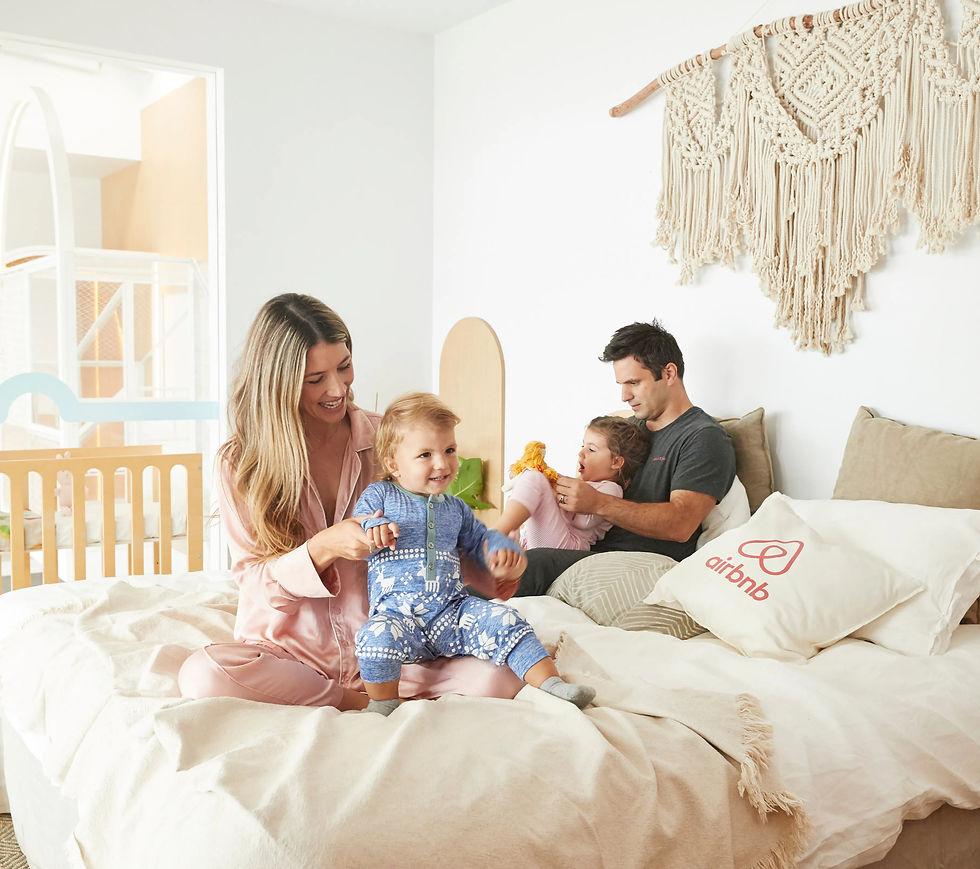
Booking family-friendly accommodations in advance provides peace of mind and often includes baby-focused amenities: cribs, high chairs, bottle warmers, and on-site medical assistance.
✅ Look for properties rated for families or serviced apartments with full kitchens and laundry facilities.
✅ Check guest reviews specifically mentioning travel with infants to gauge real-world experiences.
✅ Consider location: Central city apartments reduce travel time, while resorts may offer safer outdoor play areas for toddlers.
✅ Key Takeaway: Thoughtful accommodation planning transforms Vietnam from a challenging destination into a stress-free family adventure. Prioritize crib safety, hazard-proofing, air quality, and hygiene, and you’ll ensure your baby sleeps soundly while parents enjoy everything this vibrant country has to offer.
Climate, Heat, and Seasonal Travel ☀️🌧️❄️
Vietnam’s climate varies significantly from the tropical south to the subtropical north, making seasonal preparation essential when traveling with a baby. Understanding temperature, humidity, and rainfall patterns is critical for ensuring your child stays comfortable, hydrated, and safe. With expert pediatric guidance and local insights, parents can confidently plan outdoor excursions, sightseeing, and beach days without stress.
An English family arriving in Hanoi with their 4-month-old said:
“The humidity hit us instantly. Within two days our baby developed heat rash despite staying in shade and air conditioning. We ended up slowing everything down and spending afternoons indoors. One kind local even helped fan her while we rested. The biggest lesson was simple: plan outdoor time early morning or late afternoon, and accept that some days will be slower.”
🌞 Summer Heat: Staying Cool and Safe

From March to May in the north and April to August in the south, temperatures can rise above 35°C / 95°F. Babies are particularly vulnerable to heat stress and sunburn.
✅ Dress in lightweight, breathable fabrics such as cotton or bamboo blends.
✅ Use wide-brimmed hats and UV-protective clothing for sensitive skin.
✅ Apply baby-safe sunscreen with SPF 50+, even in cloudy weather.
✅ Stay hydrated: Offer frequent breastfeeds or formula, and avoid prolonged sun exposure.
💡 Expert Insight: Pediatric dermatologists recommend scheduling outdoor activities early morning or late afternoon when UV levels are lower, reducing the risk of sunburn and overheating.
🌧️ Rainy Season: Staying Dry and Comfortable
Vietnam’s rainy season runs from June to October, with southern regions experiencing heavy tropical showers and northern regions seeing consistent downpours.
✅ Carry a waterproof stroller cover to protect your baby from sudden rain.
✅ Pack lightweight raincoats and quick-dry clothing for infants and toddlers.
✅ Plan indoor activities on forecasted rainy days, such as museums, aquariums, or shopping malls.
✅ Monitor weather apps closely for sudden storms or flooding, particularly in Ho Chi Minh City and Mekong Delta regions.
💡 Expert Tip: Pediatric travel specialists advise keeping spare clothing, hats, and diapers in a waterproof pouch for emergencies. Wet clothing can quickly cause irritation or chills for young babies.
❄️ Winter in the North: Layering for Comfort
From December to February, northern Vietnam, including Hanoi, Sapa, and Ha Long Bay, can feel chilly with temperatures dipping below 15°C / 59°F.
✅ Pack thermal layers for infants, including bodysuits, long-sleeve tops, and warm hats.
✅ Bring a baby blanket for stroller rides or evenings outdoors.
✅ Choose accommodations with reliable heating or space heaters to maintain indoor comfort.
✅ Limit exposure to cold winds and wet conditions, especially in mountainous regions.
💡 Expert Insight: Pediatricians recommend frequent skin checks during colder months. Babies can lose heat quickly, so layering and monitoring body temperature is crucial for safe winter travel.
⏰ Timing Outdoor Activities
✅ Avoid midday sun for babies under 12 months.
✅ Schedule sightseeing or beach walks early morning or late afternoon.
✅ Include indoor breaks in air-conditioned or shaded areas to prevent overheating or overexertion.
💡 Pro Tip: Combining climate awareness with hydration and protective clothing reduces common travel-related health risks such as heat rash, dehydration, and sunburn, allowing both baby and parents to enjoy Vietnam safely and comfortably.
✅ Key Takeaway: Understanding Vietnam’s climate (from tropical heat in Ho Chi Minh City to subtropical cold in Hanoi) allows parents to strategically plan clothing, hydration, and outdoor schedules. With thoughtful preparation, babies can enjoy Vietnam’s stunning beaches, mountains, and cities while staying safe, healthy, and happy.
Feeding and Nutrition for Babies and Toddlers 🍼🍚
Proper nutrition is a top concern for parents traveling in Vietnam. Differences in climate, water quality, and local cuisine can affect babies and toddlers, so careful planning is essential. With insights from board-certified pediatricians and pediatric nutritionists, this guide provides safe, practical, and expert-approved strategies for feeding your child while exploring Vietnam.
A family from Seattle traveling with their 9-month-old said:
“We loved the food, but were cautious with hygiene. After a small tummy upset early on, we stuck to simple options like fresh fruit and food we prepared ourselves. Many smaller restaurants didn’t have high chairs, so we often held her while eating. The kindness of staff stood out though, with people helping however they could. Larger restaurants and hotel cafés felt more comfortable when she was tired or fussy.”
🤱 Breastfeeding: Comfort and Convenience
Breastfeeding is widely accepted in public spaces throughout Vietnam, including malls, restaurants, parks, and tourist sites.
✅ Bring a nursing cover for added privacy if preferred.
✅ Plan feeding breaks during travel, sightseeing, and long transfers.
✅ Hydration is essential for breastfeeding mothers, particularly in hot and humid regions such as Ho Chi Minh City, Nha Trang, or Phu Quoc.
An American mom shared:
“Breastfeeding felt easier than expected. People were respectful, and in many places we found quiet corners easily. Carrying a light cover helped when needed. Overall, Vietnam felt very family-oriented and supportive.”
💡 Professional Insight: Pediatric lactation consultants recommend a consistent feeding schedule to avoid dehydration and ensure adequate intake during changes in climate or activity.
🍼 Formula Feeding: Safe and Stress-Free
If you rely on formula, safety and consistency are key.
✅ Use bottled or boiled filtered water to prepare formula. Tap water in Vietnam may carry bacteria unfamiliar to babies’ systems.
✅ Pack your preferred brand if it is not widely available locally. Vietnam’s urban centers may carry international formula brands, but rural areas may not.
✅ Pre-measure formula into travel-friendly portions to streamline feeding on the go.
✅ Keep feeding utensils clean by bringing portable sanitizing wipes or travel sterilizers.
💡 Expert Tip: Pediatric nutritionists suggest limiting formula changes during travel to prevent digestive upset. Stick to the same brand and dilution ratio used at home.
🍚 Introducing Solids: Safe Choices Across Vietnam

For infants transitioning to solids or toddlers exploring new foods:
✅ Prioritize cooked vegetables and soft fruits that are easy to digest.
✅ Plain rice porridge or lightly seasoned soups are widely available and gentle on baby tummies.
✅ Avoid raw seafood, shellfish, or spicy foods which may cause digestive distress.
✅ Check ingredient freshness at local markets and restaurants, especially in coastal areas such as Da Nang or Hoi An.
💡 Professional Insight: Registered pediatric dietitians recommend maintaining a familiar feeding schedule to minimize upset stomachs caused by climate, water, and changes in routine. A stable routine also reduces the risk of dehydration and constipation.
🍽️ Eating Out with Babies and Toddlers
✅ Choose family-friendly restaurants with clean dining areas and high chair availability.
✅ Request freshly boiled water for formula preparation when eating outside.
✅ Carry snacks such as fruit purées or rice cakes to cover gaps between meals or during long excursions.
✅ Observe local hygiene before introducing new foods, especially in street markets or small eateries.
💡 Expert Tip: Travel pediatricians advise gradually introducing new foods, starting with small portions, to monitor tolerance. This helps prevent foodborne illness and digestive upset.
✅ Key Takeaways
Maintaining proper nutrition while traveling in Vietnam involves:
Planning breastfeeding or formula routines in advance.
Selecting safe and digestible solid foods.
Monitoring hydration and hygiene.
Adjusting feeding schedules to local climate and travel conditions.
With these expert strategies, parents can confidently feed their babies and toddlers anywhere from bustling Ho Chi Minh City to serene Phu Quoc, ensuring health, comfort, and peace of mind.
Health and Medical Concerns ⚕️👶🌏
Ensuring your baby’s health and safety while traveling in Vietnam is paramount. With expert insights from board-certified pediatricians, travel medicine specialists, and experienced expatriate parents, this section covers everything from vaccinations to emergency preparedness, so you can confidently explore every corner of Vietnam.
🏥 Medical Facilities: Reliable Care in Major Cities
Vietnam’s healthcare infrastructure is strongest in urban centers:
Ho Chi Minh City, Hanoi, Da Nang, Nha Trang, and Phu Quoc host reputable international hospitals and clinics with English-speaking staff.
Look for facilities accredited for pediatric care, emergency services, and neonatal support.
Keep addresses and phone numbers handy in your phone or printed copy, especially if traveling to rural areas.
💡 Professional Insight: Pediatric travel experts recommend verifying hospital pediatric certifications before arrival. Some clinics are well-equipped for routine issues but may not handle emergencies for infants.
🛡️ Travel Insurance: Essential Coverage
Travel insurance is non-negotiable when traveling with infants or toddlers:
Ensure your policy covers pediatric emergencies, hospital stays, evacuation, and repatriation.
Confirm 24/7 assistance and multi-language support, particularly for medical emergencies.
Maintain digital and hard copies of your baby’s medical records and insurance details.
💡 Expert Tip: Pediatricians advise parents to select plans that allow direct billing with hospitals to avoid paying large sums upfront.
💉 Vaccinations: Routine and Optional
Before traveling to Vietnam, make sure your baby is fully protected:
✅ Routine immunizations should be up to date according to your home country schedule.
✅ Consult your pediatrician about optional vaccines for travel, including Hepatitis A, Typhoid, and Japanese Encephalitis depending on your itinerary.
✅ Maintain a vaccination card or digital record accessible during travel.
💡 Professional Insight: Travel medicine specialists emphasize timing vaccinations at least 2–4 weeks before departure for maximum effectiveness and to monitor for potential reactions.
💊 Pharmacies: Accessible and Well-Stocked
Pharmacies are abundant throughout Vietnam:
Stock essentials such as baby fever reducers, nasal saline drops, teething gels, diaper rash creams, and electrolyte solutions.
Major urban pharmacies often carry international brands, but rural areas may have limited stock.
Pharmacists in Vietnam are generally knowledgeable but always verify pediatric dosages with your pediatrician before travel.
🧰 Medical Kit and Emergency Planning

Prepare for minor injuries and common illnesses with a travel-ready kit:
Include thermometers, antiseptic wipes, baby bandages, oral rehydration salts, and over-the-counter fever or pain medicine.
Identify 24/7 hospitals or clinics near your accommodation before arrival in each city.
Keep your pediatrician’s contact information for telemedicine consultations in case of urgent questions.
A Canadian family visiting Hanoi in winter shared:
“We expected cooler weather to help, but the air pollution was worse than we imagined. After a few days, our baby developed a mild cough. We checked air quality daily and eventually adjusted our plans, heading south earlier than expected. It made a big difference. Staying flexible was key.”
💡 Expert Tip: Certified pediatricians recommend pre-planning emergency transport routes in each city. Major cities often have ride-hailing services that can quickly take you to hospitals.
✅ Key Takeaways
Prioritizing health while traveling in Vietnam ensures peace of mind:
Choose hospitals and clinics accredited for pediatric care.
Carry comprehensive travel insurance covering infants.
Keep vaccinations up to date and consult for travel-specific vaccines.
Pack a well-stocked baby medical kit and know emergency contacts.
Confirm pharmacy availability for common baby medications in each region.
With these expert strategies, parents can safely navigate Vietnam from bustling Ho Chi Minh City to remote Sapa, minimizing health risks and maximizing confidence while traveling with a baby.
Packing Essentials for Vietnam with a Baby 🎒👶🌏

Traveling through Vietnam with an infant or toddler requires strategic packing to balance convenience, safety, and comfort. From bustling streets of Ho Chi Minh City to the sandy beaches of Phu Quoc, every parent concern must be addressed. This section provides an expert-approved checklist and insider tips to ensure your journey is stress-free and safe.
A German family on a month-long trip shared:
“We massively overpacked at the start. Most clothes felt too heavy for the heat and humidity. What actually worked were lightweight, quick-dry outfits that we could wash easily. By week two, we were traveling much lighter. Our best additions were a portable fan, zip bags for wet clothes, and a few snacks from home. The biggest lesson was simple: pack less than you think.”
🧷 Diapers and Wipes: Stay Prepared
Bring enough diapers for travel days, but consider local rental or delivery services in Ho Chi Minh City, Hanoi, Da Nang, Hoi An, and Phu Quoc for longer stays.
Baby wipes are essential for diaper changes, hand cleaning, and sanitizing surfaces.
Consider eco-friendly or sensitive-skin wipes to prevent irritation in hot, humid climates.
💡 Professional Insight: Pediatric travel consultants emphasize bringing a small emergency supply in your carry-on while using local services to reduce luggage weight.
👶 Baby Carriers and Strollers: Mobility Made Easy
Baby carriers are ideal for crowded markets, temples, and stairs where strollers are cumbersome.
Choose a stroller with sturdy wheels for uneven streets, cobblestones, and sandy beaches.
Look for foldable, lightweight designs compatible with taxis and flights.
👶 🛒 🧳 ⚖️ Baby Carrier vs Stroller in Vietnam
Baby Carrier vs Stroller in Vietnam
Situation | Carrier | Stroller |
Busy cities | ✅ Best | ❌ Difficult at times |
Airports | ✅ | ✅ |
Beaches | ⚠️ Hot | ✅ |
Malls | ⚠️ | ✅ Best |
💡 Expert Tip: Certified pediatric ergonomists recommend alternating between stroller and carrier to avoid overstraining your baby’s spine and your back.
👕 Clothing and Sun Protection: Comfort in Every Climate

Pack lightweight, breathable clothing for hot and humid regions.
Include hats, sunglasses, and baby-safe sunscreen for tropical sun exposure.
For northern regions during winter, bring layers, cardigans, and socks to adapt to cooler temperatures.
💡 Professional Insight: Pediatric dermatologists advise reapplying sunscreen every 2 hours for infants over six months and using UPF clothing for younger babies.
🧴 Hygiene and Sterilization: Prevent Illness
Portable sterilizers or disinfecting wipes keep bottles, pacifiers, and toys clean on the go.
Use boiled or filtered water to sterilize bottles and utensils when local tap water is not safe.
Maintain a sanitizer routine for hands, surfaces, and gear before meals.
💡 Expert Insight: Travel pediatricians note that consistent hygiene practices reduce the risk of gastrointestinal illnesses, a common concern for babies in tropical destinations.
🍼 Feeding Essentials: Formula and Snacks
Pack your preferred formula if your brand is unavailable locally.
Bring a snack kit for toddlers, including soft fruits, rice cakes, and teething biscuits.
Carry a spill-proof bottle or sippy cup to prevent messes during transportation.
💡 Professional Insight: Maintaining regular feeding schedules supports digestion and minimizes discomfort caused by climate and time zone changes.
🩹 Travel First Aid Kit: Be Ready for Anything
Include thermometers, fever reducers, teething gel, adhesive bandages, and oral rehydration salts.
Add items specific to your itinerary, such as mosquito repellents safe for babies in tropical areas.
Know the locations of 24/7 hospitals or clinics along your route.
A New Zealand family traveling with their toddler said:
“Mosquitoes were persistent, especially near water in the evenings. Even with repellent, our little one got a few bites and became uncomfortable. We switched to lightweight long clothing, used spray on clothes instead of skin, and kept a fan running where possible. Pharmacies were helpful, but having familiar supplies from home gave us peace of mind.”
💡 Expert Tip: Pediatricians recommend reviewing your first aid kit before each flight and restocking supplies locally if needed.
✅ Key Takeaways
Pack strategically: prioritize essential items and rely on local rentals for bulky equipment.
Ensure mobility, sun protection, and hygiene are top priorities.
Maintain feeding routines and first aid preparedness for peace of mind.
Combining expert advice with local resources minimizes luggage stress without compromising safety or comfort.
A German family shared:
“In major cities, baby supplies were easy to find, but the brands were different and didn’t always work as well for us. In smaller destinations, it was less reliable. We were glad we brought enough from home for the first part of the trip and topped up when we found familiar products.”
Essential Baby Equipment for Your Vietnam Trip - Available for Rent
Baby Gear | Description | Rent It Here |
Stroller | Lightweight, easy-to-maneuver strollers perfect for city streets, markets, and sightseeing. | |
Car Seat | Certified infant and toddler car seats for taxis, rental cars, or personal vehicles, ensuring safety on the go. | |
High Chair | Portable, hygienic high chairs for mealtimes in restaurants, hotels, or Airbnbs. | |
Travel Cot / Baby Crib | Lightweight travel cots that fold easily, ideal for hotels, Airbnbs, or extended stays. |
With these expert-approved packing strategies, parents can confidently explore Vietnam, from crowded urban centers to remote coastal retreats, keeping their baby safe, comfortable, and happy throughout the journey.
Baby-Friendly Activities in Vietnam 👶🌏🎡
Exploring Vietnam with a baby can be a joyful and enriching experience when activities are carefully selected. From vibrant cities to tranquil beaches, Vietnam offers a range of attractions that are accessible, safe, and engaging for infants and toddlers. This section provides expert guidance on the most baby-friendly experiences, with practical tips to ensure comfort, safety, and developmental stimulation.
A Canadian family visiting Hanoi and Phu Quoc said:
“Hanoi was exciting but intense, with crowds and uneven streets making it tiring quickly. Phu Quoc felt much more relaxed, but even the beach became too hot by mid-morning. The best days were when we kept plans flexible, did activities early, and followed our baby’s rhythm. Vietnam is very baby-friendly, but pacing your day makes all the difference.”
🏙 Ho Chi Minh City (Saigon) Adventures
Saigon Zoo and Botanical Gardens: Wide pathways, shaded areas, and interactive animal exhibits make this ideal for strollers and carriers. Morning visits are best to avoid heat and crowds.
Vincom Shopping Centers: These modern malls offer nursing rooms, baby-changing stations, and air-conditioned comfort, perfect for short breaks during city exploration.
Cafés and Parks: Many cafés provide play corners or open spaces for babies to move safely under parental supervision.
💡 Professional Insight: Pediatric travel experts recommend limiting outdoor exposure during midday and scheduling short, frequent breaks for hydration and naps to prevent overstimulation.

🏯 Hanoi Highlights
Hoan Kiem Lake Strolls: Wide pedestrian paths and calm scenery allow safe walks with strollers or carriers. Early mornings are ideal for cooler temperatures and fewer crowds.
Hanoi Botanical Gardens: Shaded walking trails and green open spaces encourage sensory development for toddlers. Bring a blanket or stroller for comfort.
Museums and Cultural Centers: Visit small, quiet museums in the morning when they are least crowded. Stroller accessibility varies, so carriers may be necessary.
💡 Expert Tip: Pediatric development specialists note that alternating between active exploration and quiet rest supports babies’ cognitive and sensory growth.
🌊 Da Nang and Hoi An Beaches
Calm, shallow beaches: Many resorts offer family-friendly beaches with gentle waters ideal for toddlers to play safely.
Sun Wheel in Da Nang: A slow-moving Ferris wheel provides panoramic views while being safe for babies in carriers or parent laps.
Short Boat Rides: Private or resort-organized tours allow controlled exposure to water activities without overwhelming infants.
💡 Professional Insight: Pediatric travel authorities suggest applying water-safe sunscreen and planning beach visits early or late in the day to avoid peak UV exposure.
🏖 Nha Trang and Phu Quoc Family-Friendly Spots
Private Resorts with Pools: Choose resorts with shallow baby pools and shaded areas for safe water play.
Secluded Beaches: Many resorts offer calm coves ideal for supervised toddler play.
Interactive Resort Activities: Some resorts offer short, parent-led cultural workshops or baby-friendly play zones.
💡 Expert Recommendation: Limit activity sessions to 1–2 hours at a time and maintain consistent nap and feeding schedules to prevent fatigue.
🎨 Cultural and Developmental Experiences
Museum Visits: Morning visits allow exposure to cultural education while avoiding crowds.
Local Markets: Sensory experiences with colors, sounds, and textures can be enriching, but maintain stroller or carrier control to ensure safety.
Music and Performance: Short, interactive traditional performances can stimulate auditory and visual development.
💡 Professional Insight: Child development specialists emphasize controlled, short sessions to prevent overstimulation and ensure positive experiences.
✅ Key Takeaways
Plan activities with baby comfort and safety first.
Schedule short sessions with breaks for feeding, naps, and hydration.
Use strollers, carriers, and shaded areas to protect babies from heat, crowds, and overexcitement.
Prioritize quiet mornings or late afternoons for outdoor and cultural experiences.
By combining expert pediatric advice with Vietnam’s family-friendly attractions, parents can confidently enjoy sightseeing, beach days, and cultural experiences without compromising their baby’s comfort, health, or safety.
FAQ from international parents visiting Vietnam with a baby
1. Is it safe to travel to Vietnam with a baby or toddler?
Yes. Vietnam is family-friendly with proper planning. Use certified baby gear, choose clean accommodations, monitor climate exposure, and follow pediatric advice to ensure a safe and enjoyable trip with infants and toddlers.
2. Where can I rent baby equipment in Vietnam?
You can rent strollers, car seats, high chairs, and travel cots from KidEase Rentals in major cities, including Ho Chi Minh City, Hanoi, Da Nang, Hoi An, Nha Trang, and Phu Quoc. All equipment is sanitized, certified, and delivered to your hotel or Airbnb.
3. Do hotels in Vietnam provide cribs, high chairs, or baby gates?
Some family-friendly hotels and serviced apartments offer cribs, baby gates, sterilizers, and child-safe amenities. However, availability varies by property, so it’s recommended to confirm in advance or rent equipment through KidEase Rentals.
4. How should I plan baby feeding and nutrition while traveling?
Maintain your usual breastfeeding or formula routine. Use bottled or boiled water for formula, introduce solids gradually, and ensure utensils are hygienically cleaned. Carry snacks, baby bottles, and travel-friendly feeding accessories.
5. How do I keep my baby comfortable in Vietnam’s tropical climate?
Dress infants in lightweight, breathable clothing. Use sun protection such as hats and UV-blocking blankets. Schedule outdoor activities during cooler hours and ensure proper hydration. For cooler regions or rainy days, pack layers and waterproof gear.
A New Zealand family in Phu Quoc said:
“The sun was stronger than we expected. Even with sunscreen, our baby got slightly red after a short time outside. We adjusted quickly by going out early, staying in shade, and using lightweight long-sleeve clothing. Timing became everything.”
6. Can I safely use taxis, Grab, or rental cars with a baby?
Yes, but always use a certified baby car seat. Avoid riding on scooters with babies. KidEase Rentals can provide car seats for taxi or private car use in most major cities.
7. What should I do in case of a medical emergency while traveling with a baby?
Locate nearby hospitals or pediatric clinics in advance. Carry a first-aid kit, baby medications, and contact your pediatrician before travel. Keep insurance information and emergency numbers accessible at all times.
8. How far in advance should I rent baby gear in Vietnam?
We recommend reserving baby gear at least 1–2 weeks in advance, especially during peak travel seasons. This ensures availability of strollers, car seats, and high chairs in your preferred cities.
9. Can I rent equipment for multiple cities during one trip?
Yes. KidEase Rentals provides delivery and pick-up across multiple destinations, including Ho Chi Minh City, Hanoi, Da Nang, Hoi An, Nha Trang, Phu Quoc, Can Tho, Da Lat, Vung Tau, Ho Tram, Mui Ne, and Hue. You can schedule rentals city by city for convenience.
10. How do I contact KidEase Rentals for bookings or support?
WhatsApp is our preferred contact method: +84 708866447. You can also email us at admin@kidease-rentals.com. We respond promptly to assist with bookings, equipment questions, and travel advice.
⚠️ Common Mistakes When Traveling to Vietnam with a Baby
Even experienced parents can be caught off guard in Vietnam. These common mistakes, based on real families featured in this guide, are easy to avoid with the right preparation:
Underestimating the heat and humidity 🌡️
As the English family traveling with their 4-month-old in Hanoi shared earlier, the climate can feel overwhelming from the moment you arrive. They described it as “stepping into a sauna,” with their baby developing heat rash within days. Plan outdoor time carefully and expect to slow your pace significantly during the hottest parts of the day.
Relying too much on strollers in cities 🛞
A Canadian family traveling between Hanoi and Phu Quoc found that busy streets, uneven pavements, and crowds made getting around exhausting. Their baby overheated quickly in the carrier and they needed frequent breaks in air-conditioned spaces. In dense urban areas, flexibility is key, and many families find themselves adjusting how they move around very quickly.
Not arranging baby gear in advance 🍼
The German family traveling long-term mentioned needing to search for reliable baby supplies in smaller destinations, with differences in quality and availability. This highlights how important it is to plan essentials like car seats, cribs, and feeding equipment ahead of time to avoid unnecessary stress.
Overpacking unsuitable clothing 🎒
The German family from Berlin admitted they “overpacked terribly” at the start of their trip. Heavy clothing quickly became impractical in the humidity, and by week two they had switched entirely to lightweight, quick-dry outfits and a much simpler packing approach.
Planning overly busy itineraries ⏳
As the Melbourne family reflected at the end of their trip, their original itinerary was far too ambitious. They ended up scrapping many plans to accommodate naps, heat, and their baby’s mood. Their best days came when they slowed down and embraced a more flexible routine.
Ignoring sun protection and exposure ☀️
The New Zealand family in Phu Quoc found the sun far stronger than expected, even with sunscreen. Their baby developed red patches after short exposure, leading them to adjust their schedule to early mornings and late afternoons, along with more protective clothing.
Not preparing for sleep disruptions 😴
Sleep challenges were a recurring theme, especially for the Melbourne family staying in Hoi An. They described frequent night waking due to heat, humidity, and outside noise, eventually adapting with white noise, better room choices, and more flexible expectations.
Skipping basic health and hygiene precautions 🧴
The American family from Seattle experienced a mild tummy upset after introducing local food too quickly, while the New Zealand family in central Vietnam dealt with mosquito bites and irritation. Both emphasized the importance of staying cautious with hygiene, food choices, and protection.
👉 Expert Insight:
Across all these real experiences, from Hanoi to Phu Quoc, families who stay flexible, prepare for the climate, and plan key essentials in advance consistently enjoy a smoother, safer, and far more enjoyable trip in Vietnam.
Wrapping Up Your Vietnam Adventure with a Baby 👶🌏✨

Traveling in Vietnam with a baby may seem daunting at first, but with careful preparation, informed planning, and trusted expert advice, it becomes an enriching and stress-free journey. Every major city, coastal retreat, and cultural site can be experienced safely and comfortably when parents prioritize hygiene, nutrition, sleep, and transportation logistics.
By integrating insights from pediatric specialists, seasoned expat families, and local Vietnamese experts, this guide has provided you with practical, actionable strategies to:
✅ Maintain hygiene and prevent illness in any environment
✅ Navigate transportation safely with infants and toddlers
✅ Ensure comfortable, childproofed accommodations
✅ Feed your baby safely while exploring local cuisine
✅ Adapt to Vietnam’s diverse climates and seasonal challenges
✅ Plan enriching baby-friendly activities that stimulate growth and curiosity
Expert Takeaway: Confidence is Key 🧠💡
The ultimate goal of traveling with a baby is not just survival, it is thriving. Pediatric travel professionals consistently emphasize that confidence and preparation are the foundation for a smooth journey. When parents are equipped with knowledge, resources, and backup plans, stress levels drop, and the focus shifts to experiencing Vietnam’s vibrant culture, scenic beauty, and warm hospitality.
Whether watching your toddler paddle in calm Da Nang waters, enjoying a serene stroll around Hanoi’s Hoan Kiem Lake, or discovering local markets with safe and healthy food options, these moments become meaningful family memories rather than logistical challenges.
Your Next Steps for a Seamless Baby-Friendly Vietnam Trip 📅🍼
Plan Ahead: Book family-oriented accommodations, reserve car seats or rental gear, and schedule activities around your baby’s routine.
Pack Smart: Prioritize essentials for feeding, hygiene, sun protection, and first aid while leveraging local rental services to reduce luggage.
Stay Flexible: Babies thrive with predictable routines, but adaptability is crucial in a tropical country with varied climates and vibrant urban energy.
Engage Experts: Leverage local knowledge, pediatric travel advice, and trusted service providers to ensure every detail (from transportation to medical preparedness) is covered.
A Melbourne family reflected:
“We started with a packed itinerary, but quickly realized traveling with a baby requires flexibility. The best moments were the simple ones, slow mornings, café stops, and relaxed afternoons. Vietnam is an amazing destination with a baby, but success comes from adapting to your child’s pace rather than sticking to a strict plan.”
Final Thought 🌟
Vietnam is not only a travel destination; it is a rich, sensory, and culturally immersive playground for families. With preparation, foresight, and professional guidance, parents can transform potential travel stress into unforgettable adventures. Each city, beach, temple, and market offers the opportunity for discovery, learning, and bonding, proving that a baby-friendly Vietnam is not just possible, it is extraordinary.
Embrace the journey with confidence, plan meticulously, and let Vietnam’s warmth, charm, and vibrancy create memories that last a lifetime.
👉 If you want to travel lighter and stress-free, you can rent baby equipment delivered directly to your hotel anywhere in Vietnam.
Last updated: April 2026
Written by KidEase Rentals team, specialists in family travel across Vietnam
⚠️ Important: Please Book Early – Availability in Vietnam Is Limited
We always recommend booking in advance. Every day, families from around the world contact us after arriving in Vietnam - in Ho Chi Minh City, Hanoi, Da Nang, Hoi An, Phu Quoc and beyond - urgently needing items like strollers, baby cots/cribs, car seats, high chairs, and other essentials.
Unfortunately, many are surprised to learn that availability is already fully booked, especially during peak travel periods, leaving limited or no options remaining.
To avoid disappointment and ensure everything you need is ready and waiting for your arrival, we strongly suggest reserving your baby equipment as early as possible.
Useful Resources
Contact us to make a booking
Learn more about us
Vietnam Baby Travel Hub: Car Seats, Strollers & Rentals Explained
Core Issues
🚚 Logistics & Delivery
🌴Related Phu Quoc Issues
🔗 Related Baby Equipment in Phu Quoc
🇻🇳 Baby Equipment Rental Across Vietnam
📖 Learn more about visting Vietnam with Children
KidEase Rentals - Vietnam's trusted baby and child equipment rental service for international families.
📞 +84 7088 66 447 | 📧 admin@KidEase-Rentals.com | Delivering across Vietnam


Comments