
South Vietnam vs Central Vietnam for Families with Babies, Toddlers & Young Children
Updated: May 2
The complete 2026 guide for international parents
It's the most debated itinerary decision among families planning a first Vietnam trip with young children - and the one that's most personal. South or central?

Both regions have extraordinary things going for them. Both have world-class beaches, genuinely family-welcoming cultures, increasingly sophisticated resort infrastructure, and enough daily variety to fill a 7–10 night stay without once feeling like you've run out of things to do. But they are fundamentally different countries within the same country - different climates, different beach characters, different food traditions, different activity profiles, different practical logistics.
This guide makes the comparison complete and honest. Every dimension that matters to parents with babies, toddlers, and children under six - beaches, weather windows, transport, food, resorts, day trips, and the specific advice that only comes from watching thousands of families navigate both regions.
"We went to Hội An in April with our 2-year-old. The evening lanterns, the morning river, the white rose dumplings she ate every day. When people ask me the best family destination in Vietnam I just say Hội An in April and leave it at that."
- Orla & Ronan F., Galway, Ireland
Our Methodology - Why This Guide Is Different
This comparison is based on:
Supporting thousands of international families across Phu Quoc, Nha Trang, Da Nang, Hoi An, and Ho Chi Minh City since 2023
Real-time delivery data from our own operations (we see exactly which destinations families choose and why)
Direct feedback from parents with children under 6 (via post-trip surveys and WhatsApp support conversations)
On-the-ground testing of strollers, car seats, resorts, and daily logistics in both regions across all seasons
We are not travel bloggers writing from one trip. We are the service that actually delivers the baby cot to your villa, the car seat to your driver, and the stroller to your resort - and we do it every single day.
This gives us a uniquely practical perspective that most guides cannot match.
The Two Regions - What You're Actually Choosing
South Vietnam
The south is anchored by Ho Chi Minh City (Saigon), Vietnam's largest city and the country's economic engine, and the beach and island destinations that have become some of Asia's most popular family resort areas: Phu Quoc (Vietnam's finest tropical island), Nha Trang (the longest protected bay city in the country), Mũi Né (kite-surfing coast with dramatic red sand dunes), Vũng Tàu and Hồ Tràm (the closest beach escapes from HCMC), and Cần Thơ in the Mekong Delta.

The south's defining character for families: warmth, consistency, and resort infrastructure. Ho Chi Minh City is hot every month of the year and never truly cold. Phu Quoc's Gulf of Thailand gives calm, warm, clear water year-round in the dry season. The resort market - from luxury villas with private pools to mid-range beachfront hotels - is among the most developed in Southeast Asia.
Central Vietnam
The centre runs along the country's narrowest coastal stretch - anchored by Da Nang (the region's most practical family base), Hội An (one of the world's most beautiful small towns), and Hue (Vietnam's former imperial capital, 2.5 hours north of Da Nang). Within 30–40km of each other, these three destinations create a combined offer that no other region in Vietnam can match: a proper city with a world-class beach promenade, a UNESCO heritage town that is extraordinary at night, a mountain cable car theme park (Ba Na Hills), ancient royal tombs along a river, and the most culturally rich cuisine in the country.

The central region's defining character for families: variety, cultural depth, and the finest dry-season weather in Vietnam.
Climate - Where the Decision Often Gets Made
This is where most families get surprised. Vietnam's climate is not uniform - the south and central regions have nearly opposite rainy seasons, and choosing the wrong region for your travel dates can mean the difference between a dream family holiday and a frustrating one.
South Vietnam: warm always, seasonal rainfall
The south's dry season runs November to April. This is when Phu Quoc is at its absolute best - clear turquoise water, minimal rain, calm Gulf of Thailand conditions, 28–31°C. HCMC is most pleasant December to February. Nha Trang is excellent November through August.
The wet season (May–October) brings heavy afternoon rain to HCMC and sustained rainfall to Phu Quoc, with rougher sea conditions. Nha Trang handles the wet season better than most - its protected bay maintains swimmable conditions through much of June and July, and October through November is excellent.
Key fact for parents: in the south's wet season, beach days are unpredictable but not impossible. Resort pools become the primary daily activity. Families with babies who need indoor fallback options may actually find the resort pool environment works extremely well in wet-season months.
Central Vietnam: the finest dry season in the country - with a catch
Central Vietnam's dry season (February–August) is genuinely exceptional for families. Da Nang and Hội An in March, April, and May offer everything parents want: 28–32°C warmth, reliable sunshine, calm South China Sea conditions, lower humidity than midsummer, and the most beautiful light you'll find anywhere in Vietnam.
The catch is significant: central Vietnam's wet season is the most difficult in the country for families. October is the worst month on the central coast - sustained heavy rain, genuine typhoon risk, and some years see flooding that temporarily closes parts of Hội An's Ancient Town (which sits on a flood plain by design - the old trading town was built to flood and drain). November is transitional and improving.
The critical planning insight: if your travel window falls in October or November, go south. If your window falls in February through August, central Vietnam is the better choice for most families with young children.
Month | South Vietnam | Central Vietnam |
November–January | ✅ Dry season - excellent | ⚠️ Transitional; cooler, some rain |
February–April | ✅ Very good | ✅ Peak dry season - outstanding |
May–July | ⚠️ Wet season begins; Nha Trang OK | ✅ Good; getting hotter |
August | ⚠️ Wet season; HCMC manageable | ✅ Good; hot |
September–October | ⚠️ Wet season; easing by Oct | ❌ Typhoon risk; avoid |
November | ✅ Dry season returning | ⚠️ Still transitional |
KidEase Rentals insight: We see the October/central coast mistake more than almost any other. Families book Hội An in October because it's a school holiday window and the photos look beautiful - and they do, because all Hội An photographs are from March. The reality in October can be four days of rain and a flooded market street. If October is your only window, Phu Quoc or Nha Trang in the south are your answer.
Quick Decision Framework – Which Region Should You Choose?
Use this simple checklist:
Choose Central Vietnam (Da Nang + Hoi An) if:
Your dates are February–August
You want maximum variety (beach + culture + day trips)
Your child is 18 months–5 years old
You enjoy evenings exploring pedestrian towns and lantern streets
You want the most stroller-friendly beach promenade in Vietnam
Choose South Vietnam (Phu Quoc or Nha Trang) if:
Your dates are November–January or September–October
You prefer a pure resort + beach experience
Your child is under 12–15 months old
You want calm, shallow Gulf of Thailand water
You want the option of a private villa with its own pool
Still unsure? Message us your travel dates and child’s age on WhatsApp (+84 7088 66447) and we’ll give you a personal recommendation within minutes.
At-a-Glance Comparison (2026)
Factor | South Vietnam (Phu Quoc / Nha Trang) | Central Vietnam (Da Nang / Hoi An) | Winner for Families |
Best Travel Months | Nov–Apr | Feb–Aug | Tie (season dependent) |
Beach for Babies/Toddlers | Excellent (calm, shallow) | Very Good | South |
Stroller-Friendliness | Good (Nha Trang promenade) | Excellent (Da Nang) | Central |
Day Trip Variety | Good | Outstanding | Central |
Resort/Villa Quality | Outstanding | Very Strong | South |
Cultural Experience | Moderate | Exceptional | Central |
Wet Season Reliability | Better | Challenging (esp. Oct–Nov) | South |
Airport Access | Direct flights | Direct flights | Tie |
The Beaches - An Honest Comparison
This is the section that most parents want settled clearly. Both regions have extraordinary beaches. They are extraordinary in different ways.
South Vietnam beaches
Phu Quoc - Long Beach and Bai Sao: Phu Quoc's beaches are genuinely among the finest in Asia. Long Beach (Bãi Trường) - the main 20km west coast - has soft white sand, leaning palms, and Gulf of Thailand water that is warm, calm, and so shallow at the shoreline that a crawling baby can explore the waterline in 3–5cm of water. Bai Sao, on the island's southern tip, is one of the most photogenic beaches in Vietnam: powdery white sand, turquoise clarity, coconut palms. Both require the dry season to perform at their best.

Nha Trang - Trần Phú beachfront: Nha Trang's main city beach runs 6km along a naturally protected bay. The offshore island chain reduces wave action to almost nothing - the water is consistently calmer than any open-sea beach and safer for babies at the shoreline. The Trần Phú Boulevard promenade behind it is the finest urban stroller route in Vietnam - wide, smooth, flat, running the full length of the bay. Nha Trang does not have the aesthetic perfection of Phu Quoc's sand, but it offers something Phu Quoc cannot: a real city alongside the beach, with restaurants, markets, and activities that give toddlers and older children genuine daily variety.
Vũng Tàu and Hồ Tràm: Bãi Sau (Back Beach) in Vũng Tàu is wide, calm, and excellent for families. It's not as visually striking as Phu Quoc but it's 2 hours from HCMC - ideal for a short beach extension. Hồ Tràm, further along the coast, has the best resort properties in the south near HCMC (The Grand Hồ Tràm Strip) and is excellent for families wanting a longer resort stay without flying.
Central Vietnam beaches
Da Nang - My Khe Beach: My Khe is a 10km city beach with a proper promenade - good surf in the off-season, calm in the dry season, well-organised with a lifeguard flag system. The beach is wide, the sand is good quality, and the promenade is outstanding for strollers. It is a proper city beach, not an isolated resort strand - the restaurants, hotels, and facilities are immediately behind it, making beach days logistically simple. The central-south section (between the Hyatt Regency and the Pullman area) is the calmest and widest, best for babies and toddlers.
Hội An - An Bang Beach: 5km from the Ancient Town, An Bang is the most relaxed beach near Hội An and the most consistently recommended for families with young children. The water is calmer than the northern My Khe sections, the beach is relatively uncrowded even in peak season, and the beachfront cafés - Soul Kitchen, The Deck, Mango Mango - are completely unbothered by families with babies, strollers, and all the associated chaos.
The honest beach verdict:
South (Phu Quoc/Nha Trang) | Central (Da Nang/An Bang) | |
Water calmness | ✅ Gulf of Thailand - exceptional | ✅ Dry season calm; storm season rough |
Sand quality | ✅ Phu Quoc - outstanding | ✅ Good |
Beach for babies (crawling/paddling) | ✅ Exceptional shallows | ✅ Very good in season |
Stroller promenade | ✅ Nha Trang - best in Vietnam | ✅ Da Nang - excellent |
Resort infrastructure | ✅ Outstanding (especially Phu Quoc) | ✅ Very strong (especially Da Nang) |
Year-round reliability | ✅ Dry season Nov–Apr | ⚠️ Seasonal - avoid Oct–Nov |
Visual beauty | ✅ Phu Quoc is world-class | ✅ Very good |
For pure beach quality with babies: Phu Quoc in dry season is the finest in Vietnam. For beach plus city plus day trips: Da Nang and Nha Trang in the dry season win comfortably.
📚 Explore More Family Travel Guides
The Resorts - South vs Central
South Vietnam resorts
Phu Quoc: the top tier is genuinely world-class. Premier Village Resort (overwater villas), Regent Phu Quoc (the finest spa resort in Vietnam), JW Marriott (enormous beachfront complex), Fusion Resort (all-inclusive with spa), InterContinental. The villa-with-private-pool model - your family's own space, private pool, beach access, kitchen - is the natural format for families with babies on Phu Quoc. Private villas shield you from the shared spaces that make managing babies in hotels difficult.

Nha Trang: Mia Resort (the most consistently recommended boutique resort for babies in the south, with genuine private beach character), Vinpearl (the island resort complex with its own theme park), Sheraton (excellent central beachfront position), InterContinental, Novotel. Nha Trang's resort market gives you more choice across more price points than Phu Quoc.
HCMC: not a beach resort city, but the serviced apartment market - particularly in Thảo Điền (District 2) - is the best in Vietnam for families who want apartment space, kitchen access, and a quiet base with excellent restaurant proximity.
Central Vietnam resorts
Da Nang: Hyatt Regency (dominant position at the north end of My Khe, excellent for strollers and beach access), Pullman Danang Beach Resort (great pool, Non Nuoc Beach), Sheraton Da Nang (strong Non Nuoc location), Furama (Non Nuoc, quieter end), Marriott Da Nang. Da Nang's resort strip at Non Nuoc offers the most established resort corridor in central Vietnam, backed by Marble Mountains and the Cham cultural heritage of the area.

Hội An: the accommodation story here is different - boutique hotels in the Ancient Town (stunning but more suited to adults and older families) versus An Bang Beach boutique properties and villas (most appropriate for babies and toddlers). The An Bang and Cửa Đại beach area has excellent family villa properties with garden, pool, and beach access.
Practical resort distinction: Phu Quoc's best resorts are self-contained worlds - you can go 5 nights without needing to leave for anything except a deliberate excursion. Da Nang's resorts are city-adjacent - you leave the resort as part of the daily rhythm, because the city and its restaurant culture is part of what makes the destination.
Nearby Day Trips and Activities - What You Can Access
From the south
From Phu Quoc:
VinWonders Phu Quoc (Hon Thom Island, accessed by 3.5km over-water cable car) - Vietnam's best theme park; cable car captivates babies and toddlers; aquarium excellent from 12 months; water park from 18 months; rides from 2 years+
Vinpearl Safari - open-concept wildlife park, giraffe feeding (extraordinary for 18 months+), large animal enclosures
Hàm Ninh fishing village (east coast, 12km) - wooden jetties over the water, incredible fresh seafood, toddlers fascinated by the environment
Bai Sao Beach day trip (south of the island, 25 minutes) - most beautiful beach on the island
From Nha Trang:
Vinpearl Land (Hon Tre Island by cable car) - full theme park on the island; aquarium; water park; cable car; excellent from 18 months
Vinpearl Safari - outstanding for ages 2–6
Nha Trang Oceanography Institute - compact aquarium, excellent midday indoor activity for all ages
I-Resort mud baths - genuinely funny experience with toddlers from 18 months, private family pods
Mudflats and mangrove boat trip (Cai River, 20 minutes) - surprisingly engaging for toddlers who love boats
From Ho Chi Minh City:
Mekong Delta / Cần Thơ (3 hours) - the floating markets of Cái Răng at dawn are one of the most extraordinary Asia experiences available for children 4+
Vũng Tàu beach extension (2 hours) - the simplest beach day trip from HCMC; genuinely good for families with babies
Cu Chi Tunnels (1 hour) - for children 5–6 with an appetite for history
Hồ Tràm resort zone (2.5 hours) - the best resort extension from HCMC for families seeking beach time without flying
From the centre
From Da Nang:
Ba Na Hills (45 minutes) - the finest family day out in central Vietnam: 5km cable car, Golden Bridge (held by giant stone hands), Fantasy Park rides from 18 months, mountain-cool temperatures. For children 18 months–6 years, it is consistently rated the single best family activity in the region
Hội An Ancient Town (30 minutes) - arguably the most beautiful small town in Southeast Asia; pedestrianised evenings; lantern boat rides on the Thu Bồn River; white rose dumplings every toddler loves
Marble Mountains (20 minutes) - limestone formations with cave temples; lower levels accessible with carriers; best for children 3–6 who can walk
Hue (2.5 hours by road) - imperial citadel and royal tombs along the Perfume River; best for children 4+ who can appreciate scale and history
From Hội An:
Tra Que Vegetable Village (3km, morning only) - organic farming village with flat paths; toddlers walk happily through herb gardens at 7:30am; cooking class participation from 18 months
My Son Sanctuary (45 minutes) - ancient Cham Hindu temple ruins; best for children 4+ with good mobility; not stroller-friendly
An Bang and Cửa Đại beaches - within 5–6km of the Ancient Town; An Bang is the most family-appropriate (calm, shallow, good cafés)
The day trip comparison: central Vietnam's proximity cluster - Da Nang, Hội An, Ba Na Hills, and Marble Mountains all within 45 minutes of each other - is unmatched. No region in Vietnam gives a family with a toddler more genuine variety per square kilometre.
Food - South vs Central
Food is not a trivial comparison for families with babies and toddlers. The right cuisine, available in the right form, with the right range of toddler-appropriate options, makes mealtimes a pleasure rather than a negotiation.
South Vietnamese food
Ho Chi Minh City's cuisine is the most internationally diverse in the country - decades of French colonial influence, Chinese immigration from Chợ Lớn, and a global expat community have created a food scene that offers everything from pristine Vietnamese street food to world-class French bistros. For families: the bún mắm (fermented fish noodle soup) of the Mekong Delta, bánh xèo (sizzling sizzling crêpes) with fresh herbs, and the extraordinary fresh seafood of the south are all genuinely toddler-friendly once broken into appropriate portions.

Phu Quoc food is island-focused: fresh seafood (clams, crab, squid, fish straight from the boat), the island's famous fish sauce (nước mắm Phú Quốc - one of the most complex condiments in the world), and the bún quậy unique noodle soup. For babies from 7 months: cháo (rice porridge) is available at every local restaurant; plain steamed rice at any Vietnamese meal; fresh tropical fruit (mangosteen in season from May, dragon fruit year-round, ripe mango).
Nha Trang's food is centred on its distinctive fisheries: bánh canh chả cá (thick noodle soup with fish cakes - universally loved by toddlers), fresh grilled seafood, and the landmark Hàm Ninh village crab that toddlers find endlessly entertaining as a texture experience.
Central Vietnamese food
Central Vietnamese cuisine is widely regarded as the most refined and complex in the country - a reputation earned from centuries of royal court cooking in Hue, trade port influences in Hội An, and local ingredient excellence on the central coast.
For babies (7–12 months): cháo is excellent and available everywhere; plain steamed rice is universal; fresh papaya and mango from Da Nang Market (Chợ Hàn) are consistently available.
For toddlers 12 months+: this is where central Vietnamese food becomes extraordinary for young children. White rose dumplings (Bánh Vạc) from Hội An - translucent rice-paper parcels of prawn and pork, steamed and mild - are one of the most universally loved toddler foods in Vietnam; the texture is perfect, the flavour is gentle, and the preparation is theatre. Cao Lầu (thick noodles with char siu pork) from Hội An's dedicated noodle restaurants; Mì Quảng (turmeric noodles with pork or prawn) from Da Nang; Bánh mì Đà Nẵng (among the finest sandwiches in the country); Bánh xèo(giant crispy crêpes with prawn and bean sprouts, wrapped in rice paper) - most toddlers eat the crêpe filling without coercion.
Hue's cuisine is the most complex and spice-forward of the three central cities - less appropriate for very young children, but bún bò Huế (beef noodle soup with lemongrass and shrimp paste broth) made mild is a genuinely excellent toddler noodle dish available throughout Da Nang.
"Our son ate white rose dumplings for breakfast, lunch and dinner for three days in Hội An. He's 3. He still asks for 'the soft prawn things' whenever we eat Vietnamese food at home."
- Katariina & Juhani L., Helsinki, Finland
Food verdict for families with young children: central Vietnamese food is more immediately accessible for toddlers than southern food - the white rose dumplings, cao lầu noodles, and bánh xèo filling are pitched perfectly at the 18-months–4-years palate. Southern Vietnamese food becomes more nuanced and more excellent the older the child. Both regions have excellent cháo for babies.
Age-by-Age Verdict
Baby 0–12 months
South Vietnam wins. Phu Quoc in the dry season is the single most appropriate environment in Vietnam for a baby under 12 months. The contained resort world, private-pool villas, the Gulf of Thailand's extraordinary calm shallow water, and the absence of the urban intensity that can overwhelm parents of very young babies - all of it works. HCMC with a District 2 base is an excellent complementary first city.
Central Vietnam in the dry season is also good for young babies - the resort strips at Non Nuoc Beach are calm, the beach is accessible, and the infrastructure is strong. But the variety of central Vietnam (Ba Na Hills, Marble Mountains, Hội An) is largely wasted on a baby under 12 months, and the October typhoon risk makes the timing window narrower.
Key rentals for this age:
Nuna SENA Aire travel cot (full mesh - essential for tropical nights)
Infant car seat (Nuna PIPA Next or Cybex Cloud Z) for all airport and road transfers
Stokke YOYO3 with Newborn Set for resort and promenade walks
Toddler 12–30 months
Central Vietnam edges ahead in the dry season (February–August). The reason: variety. A 20-month-old who does the same beach + resort pool routine for 5 days has a good time. A 20-month-old who does My Khe Beach, Ba Na Hills cable car, Hội An evening lanterns, and morning Tra Que village walk has four completely different days. Toddlers at this age are absorbing everything - the lanterns, the cable car, the boats, the noodle dumplings. Central Vietnam in the dry season delivers more of it per day.
South Vietnam is the right answer if you're travelling November–January (dry season, central Vietnam transitional), or if you specifically want a pure beach resort experience and the activity variety is less important.
"I was worried Ba Na Hills would be too much for our 18-month-old. It was the opposite. He sat completely silent in the cable car for 10 minutes pressing his face against the glass. Then he walked across the Golden Bridge holding my hand. I cried."
- Brigitte & Yannick M., Lyon, France
Children 2–4 years
Central Vietnam for dry season visits. Da Nang + Hội An over 5–7 nights gives this age group an extraordinary range: Ba Na Hills Fantasy Park rides, An Bang Beach sandcastles, Hội An river boat rides, Marble Mountains, the evening lantern streets. It's hard to think of a region in Southeast Asia that delivers more genuine toddler engagement per day.
South Vietnam for wet season visits or pure resort focus. Phu Quoc's VinWonders aquarium, toddler splash zone, and cable car are all excellent for this age, and the resort pool rhythm suits 2–4 year olds who still need the nap architecture that structured resort days provide.
Children 4–6 years
Both regions are excellent. At this age the decision is about what experience you want to give them. Central Vietnam: Ba Na Hills in full, Hội An cooking classes with real participation, Marble Mountain climbing, Hue's imperial citadel (2.5 hours north). South Vietnam: Vinpearl Safari's giraffe feeding, VinWonders' full theme park, Mekong Delta floating market dawn experience (from Cần Thơ, 3 hours from HCMC).
For first-time Vietnam families: central Vietnam's combination of beach, culture, and extraordinary day trips gives more variety per day and per dollar. For families who've been to central Vietnam before: the south's island beauty and safari experiences offer a genuinely new chapter.
"We chose Da Nang + Hoi An in April with our 22-month-old. Ba Na Hills cable car, lantern boats in Hoi An, and the beach promenade made every day different. It was the perfect balance of relaxing and memorable. We’ll never do just one region again.”
- Sarah & Michael T., Melbourne, Australia
Sample 7-Day Itineraries for Families with Babies, Toddlers & Young Children
Central Vietnam (Da Nang + Hoi An) – Best for Variety (Recommended for most families Feb–Aug)

Days 1–4: Da Nang Base
Arrive Da Nang → private transfer with car seat
My Khe Beach mornings (excellent stroller promenade)
Ba Na Hills day trip (cable car + Fantasy Park – a highlight for 18 months–6 years)
Marble Mountains (lower levels with carrier)
Resort pool afternoons with baby/toddler-friendly nap schedule
Days 5–7: Hoi An
Short transfer to An Bang Beach area
Ancient Town evenings with lantern boat rides
Tra Que Vegetable Village morning (flat paths, toddler-friendly)
Relaxed An Bang Beach days with cafés right on the sand
Why it works: Minimal travel fatigue, maximum variety, and perfect daily rhythm for babies (pool naps) and toddlers (new experiences every day).
South Vietnam – Ho Chi Minh City + Phu Quoc / Nha Trang – Best for Beach & Resort Focus
Option A: Ho Chi Minh City + Phu Quoc (Most Popular) Days 1–3: Ho Chi Minh City (Saigon)
Arrive HCMC → District 2 / Thao Dien serviced apartment base (best for families)
Relaxed city exploration with parks, malls, and excellent restaurants
Easy day trips to Mekong Delta or Cu Chi (optional for older toddlers)
Days 4–7: Phu Quoc
Short flight + private transfer with car seat
Beachfront villa or resort with private pool
Bai Sao Beach day trip, VinWonders, Vinpearl Safari
Calm Gulf of Thailand swimming and resort rhythm
Option B: Ho Chi Minh City + Nha Trang (Easier with Baby) Similar structure but fly to Nha Trang for a protected bay, long promenade, and more urban resort feel.

Why South Vietnam works well: Ho Chi Minh City serves as the perfect modern gateway with great serviced apartments and logistics. Phu Quoc then delivers the dream tropical island experience with calm water ideal for babies and crawlers.
Pro Tip from KidEase Rentals For 7 nights with young children, choose one main base (or one city + one island). Splitting locations too much creates extra travel days and unpacking stress. One well-chosen base almost always delivers a more relaxed and memorable family trip.
Budget Comparison: South Vietnam vs Central Vietnam (2026 Realistic Costs for Families)
For a family of 2 adults + 1–2 young children (7 nights, mid-range to upper-mid comfort)
Category | South Vietnam (HCMC + Phu Quoc) | Central Vietnam (Da Nang + Hoi An) | Notes for Families |
Resorts / Villas | $180–350 per night | $140–280 per night | Phu Quoc villas more expensive but private pools save on stress |
Food (3 meals/day) | $45–75 per day | $35–60 per day | Central slightly cheaper + more toddler-friendly street options |
Activities & Day Trips | $80–150 per day | $70–130 per day | Ba Na Hills is a big-ticket item but high value |
Internal Transport | $120–250 (flights + transfers) | $40–90 (short taxis + transfers) | Central wins heavily on low transfer costs |
Baby Equipment Rental | $180–280 for 7 nights | $160–250 for 7 nights | Similar across regions |
Total Estimated Cost (7 nights, mid-upper comfort):
South Vietnam: $2,800 – $4,200
Central Vietnam: $2,400 – $3,600

KidEase Rentals Insight Central Vietnam is usually 15–25% cheaper overall for families with young children because of lower transport costs and more walkable areas (less need for daily taxis/Grab). However, Phu Quoc delivers higher perceived luxury and "wow" factor per dollar if you want a true resort escape.
Best Value Tip: Book villas with private pools in either region - they often pay for themselves by reducing restaurant meals, improving baby sleep, and minimizing daily logistics stress.
KidEase Rentals Real Booking Data (2025–Early 2026)
From our actual bookings:
Central Vietnam (Da Nang + Hoi An): 58% of family bookings with children under 6
South Vietnam (Phu Quoc + Nha Trang): 37%
Multi-region trips (e.g. HCMC → Phu Quoc or Da Nang → Hoi An): 5%
Most popular combination in 2026 so far: 4 nights Da Nang + 5 nights Hoi An (dry season).
Families who book both regions in one trip almost always do Central first, then South (or vice versa) - never the same region twice.
Common Mistakes - Region by Region
South Vietnam mistakes
Visiting Phu Quoc in wet season (June–October) expecting dry-season perfection. Every beautiful Phu Quoc photograph was taken in the dry season. Wet-season Phu Quoc can have sustained rain, choppier sea, and some beach days that feel grey and limited. If June–September is your only window, Nha Trang (more resilient wet-season conditions) is the better southern choice.
Not arranging a car seat for the airport transfer. Phu Quoc's airport-to-resort transfer reaches 40 minutes to the northern resort areas on roads at 70–80km/h. HCMC's Tan Son Nhat transfer is 20–40 minutes in heavy city traffic. Neither Grab cars nor private minibuses carry car seats.
Underestimating supply limitations on Phu Quoc. International formula brands, baby food pouches, and specific baby medications are limited to almost non-existent outside the island's Vinmart and resort shops. Bring your full trip supply from HCMC on departure day.
Central Vietnam mistakes
Booking Da Nang or Hội An in October. The most consistent and most preventable mistake in central Vietnam family travel. October is the central coast's worst month for families. The typhoon risk is real, the rain is sustained, Hội An can flood, and beach days are unreliable. If October is unavoidable, choose south.
Spending only 2 nights in Hội An. The Ancient Town's evening atmosphere, An Bang Beach mornings, the river boat rides, and Tra Que village all need time to become part of a rhythm. Two nights in Hội An gives you the first-night orientation experience and one full day. Three to four nights gives you the actual holiday. The families who rush through central Vietnam consistently say it was the only part of their trip where they wished they'd stayed longer.
Ignoring the midday heat. Even in the "perfect" months of March and April, Da Nang and Hội An reach 32–34°C from 10am to 3pm with direct overhead sun. The families who try to do Marble Mountains at noon or visit Hội An Market at 12:30pm with a toddler have a difficult afternoon. The rhythm that works: out before 9:30am, back by 10am, pool or nap until 4pm, out again until 8pm.
Not sorting the stroller before going to Da Nang. Da Nang is the most stroller-friendly major city in Vietnam - the My Khe promenade is outstanding, the resort paths are smooth. But it requires a compact stroller. Large home strollers struggle in the narrower city streets and don't fold into Grab car boots.
The Baby Equipment Reality - Both Regions
Both regions share the same fundamental truth about baby equipment in Vietnamese hotels: quality is inconsistent, quantity is limited, and the items that matter most - strollers, car seat, travel cot, high chair - are essentially never provided to an acceptable international standard.
Strollers:
This is where the difference between regions becomes very clear. Da Nang has one of the best stroller promenades in Vietnam (My Khe Beach). Nha Trang’s beachfront boulevard is also excellent. Hoi An’s Ancient Town and Phu Quoc’s resort paths are manageable with a lightweight travel stroller, but larger or heavy strollers quickly become frustrating.

Best advice: Rent a compact, lightweight travel stroller (e.g. Babyzen YOYO3 or similar) locally. It’s easier than bringing one from home, especially when combining flights, taxis, and walking.
👉 Stroller rental in Da Nang → Stroller rental in Da Nang (My Khe Beach & resorts)
👉 Stroller rental in Hội An → Stroller rental in Hoi An (An Bang Beach & Ancient Town)
👉 Stroller rental in Phu Quoc → Stroller rental in Phu Quoc (Long Beach & resorts)
👉 Stroller rental in Nha Trang → Stroller rental in Nha Trang (Beach promenade & city centre)
👉 Stroller rental in Ho Chi Minh City → Stroller rental in Ho Chi Minh City (District 1 & Thao Dien)
Travel cots:
both regions' hotel cots are typically basic metal-frame folding cots with inadequate ventilation. In southern tropical heat (Phu Quoc, Nha Trang) and central summer heat (Da Nang in July), a poorly ventilated cot is a baby sleep quality issue. The Nuna SENA Aire's full-mesh construction is the solution - maximum airflow, consistent familiar sleep environment, same quality in Phu Quoc villa or Da Nang resort.
👉 Cot & Crib rental in Da Nang (My Khe & Non Nuoc Resorts)
👉 Cot & Crib rental in Hội An (An Bang Beach & Ancient Town)
👉 Cot & Crib rental in Phu Quoc (Long Beach & Private Villas)
👉 Cot & Crib rental in Nha Trang (Beachfront Resorts)
👉 Cot & Crib rental in Ho Chi Minh City (Thao Dien, District 7 & District 1)
High chairs:
rare across both regions. Resort hotel restaurants have one or two shared per property. Local restaurants essentially never have them.

Car seats:
neither region's taxis, Grab cars, or private transfers carry car seats. Every road journey - airport transfer, Ba Na Hills, Marble Mountains, Phu Quoc airport, Cam Ranh to Nha Trang - requires a properly installed seat.
KidEase Rentals insight: The families who arrive in both regions with their equipment already sorted - stroller delivered to the hotel, cot set up before check-in, car seat confirmed in the transfer vehicle - describe their arrival as the moment the holiday began. The families who try to sort it on arrival describe day one as logistics. There's genuinely no reason to choose the second option. One WhatsApp message, and everything is handled.
📲 WhatsApp: +84 7088 66447
FAQ – South Vietnam vs Central Vietnam
Which is better for families with babies and toddlers: South or Central Vietnam?
Central Vietnam (Da Nang + Hoi An) is usually the better choice for most families with children 18 months–6 years during the dry season (February–August) due to greater daily variety, excellent stroller infrastructure, and world-class day trips. South Vietnam (Phu Quoc or Nha Trang) is better for babies under 12–15 months, pure resort holidays, or travel in November–January or September–October.
What is the best time to visit South vs Central Vietnam with young children?
Central Vietnam: February–August (peak March–May)
South Vietnam: November–April (peak December–March) Avoid October–November in Central Vietnam due to typhoon risk and flooding.
Which region has better beaches for babies and toddlers?
South Vietnam wins for the calmest, shallowest water (especially Phu Quoc’s Gulf of Thailand) and soft white sand. Nha Trang offers a long protected bay. Central Vietnam’s My Khe (Da Nang) and An Bang (Hoi An) are very good but generally less calm than Phu Quoc.
Is Da Nang or Nha Trang more stroller-friendly?
Da Nang is one of the most stroller-friendly cities in Vietnam thanks to its wide My Khe Beach promenade. Nha Trang also has a very good beachfront promenade. Both are far easier than Hanoi.
Which region has better family resorts and villas?
Phu Quoc (South) excels in luxury private villas with pools. Da Nang (Central) offers strong beachfront resort strips. Nha Trang provides the widest range of price points. Hoi An is best for boutique beach villas.
Do hotels in South or Central Vietnam provide cots and high chairs?
Hotels in both regions rarely provide international-standard cots or high chairs. Availability and quality are inconsistent. Most families rent reliable equipment in advance for safety and better sleep.
Should I visit only one region or combine South and Central Vietnam?
Focus on one region for 7–10 nights for the best experience. Multi-region trips work well if you have 12+ nights but add travel days and extra logistics.
Which region has more toddler-friendly food?
Central Vietnam (Hoi An/Da Nang) edges ahead for toddlers with mild, appealing dishes like white rose dumplings, cao lầu, and bánh xèo. Both regions offer excellent cháo (rice porridge) for babies.
Do I need a car seat in Da Nang, Hoi An, Nha Trang or Phu Quoc?
Yes. Taxis, Grab, and most transfers do not provide car seats in either region. Pre-booking a proper car seat for airport transfers and longer journeys is strongly recommended.
Which region is easier for first-time visitors to Vietnam with young children?
Da Nang + Hoi An is often easier for first-timers due to the tight cluster of attractions and good infrastructure. Phu Quoc is simpler if you want a pure resort/island holiday with minimal daily movement.
Final Verdict – Which Region Should You Choose in 2026?
Central Vietnam (Da Nang + Hoi An) is the better choice for most families with children 18 months–6 years travelling February–August. The combination of beach + culture + world-class day trips (Ba Na Hills, lantern evenings, river boats) gives young children more memorable variety per day than anywhere else in Vietnam.
South Vietnam (Phu Quoc or Nha Trang) is the better choice for:
Babies under 12–15 months
Travel in November–January or September–October
Families who want a pure resort + beach experience with minimal movement
Still undecided? Message us your exact travel dates and children’s ages on WhatsApp (+84 7088 66447). We’ll give you a personalised recommendation based on thousands of real family trips - usually within a few hours.
Ready to Plan Your Family Trip to Vietnam?
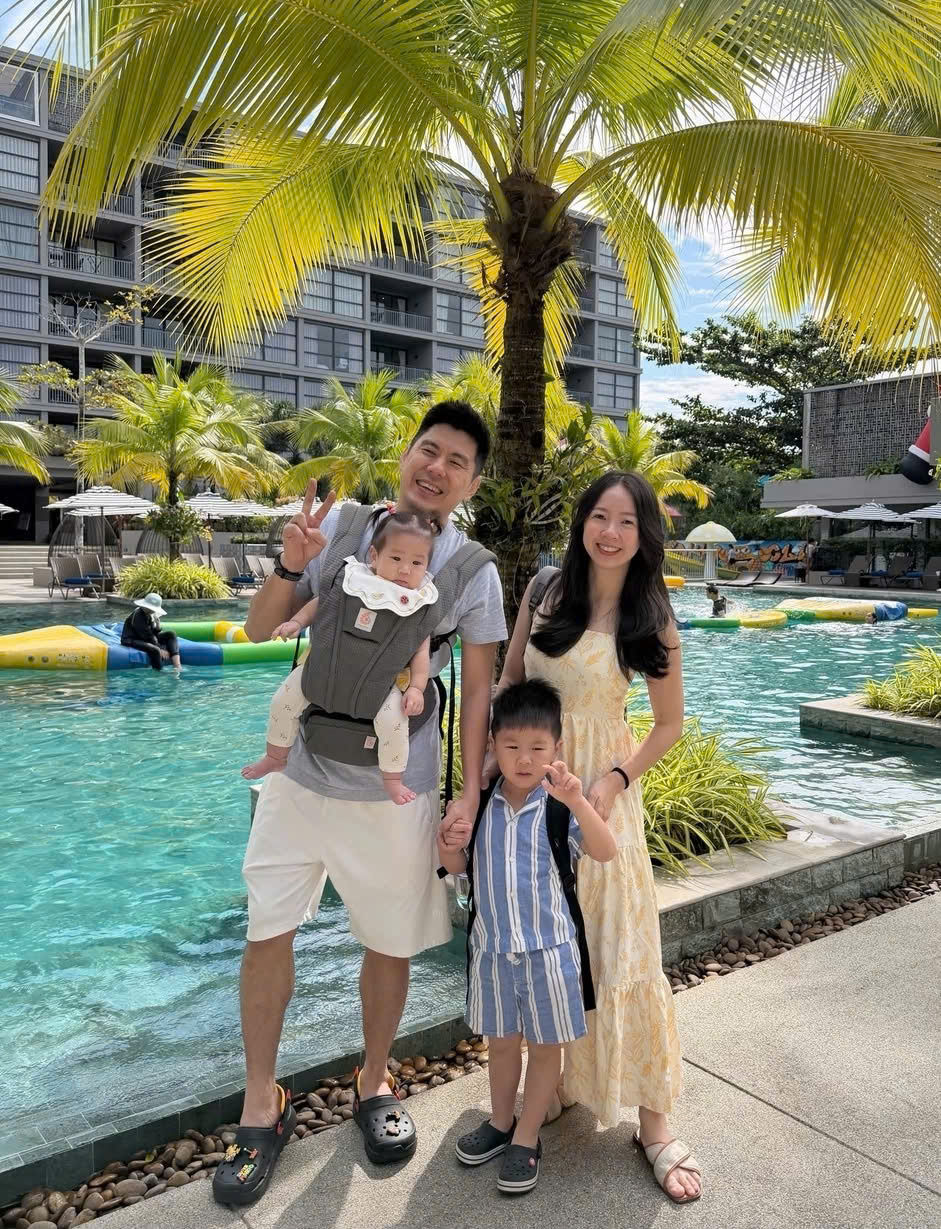
Tell us your travel dates, preferred region (or both), and your child’s age(s), and we’ll:
Recommend the best itinerary for your family
Suggest the perfect baby equipment package
Give you honest resort and villa recommendations
Arrange everything to be waiting when you arrive
📲 WhatsApp (fastest response): +84 7088 66447
📧 Email: admin@kidease-rentals.com
We typically reply within 1–2 hours during Vietnam business hours.
Related Guides
KidEase Rentals - Vietnam's trusted baby and child equipment rental service for international families.
📞 +84 7088 66 447 | 📧 admin@KidEase-Rentals.com | Delivering across Vietnam


Comments